Tag

Alaska Native

Browsing

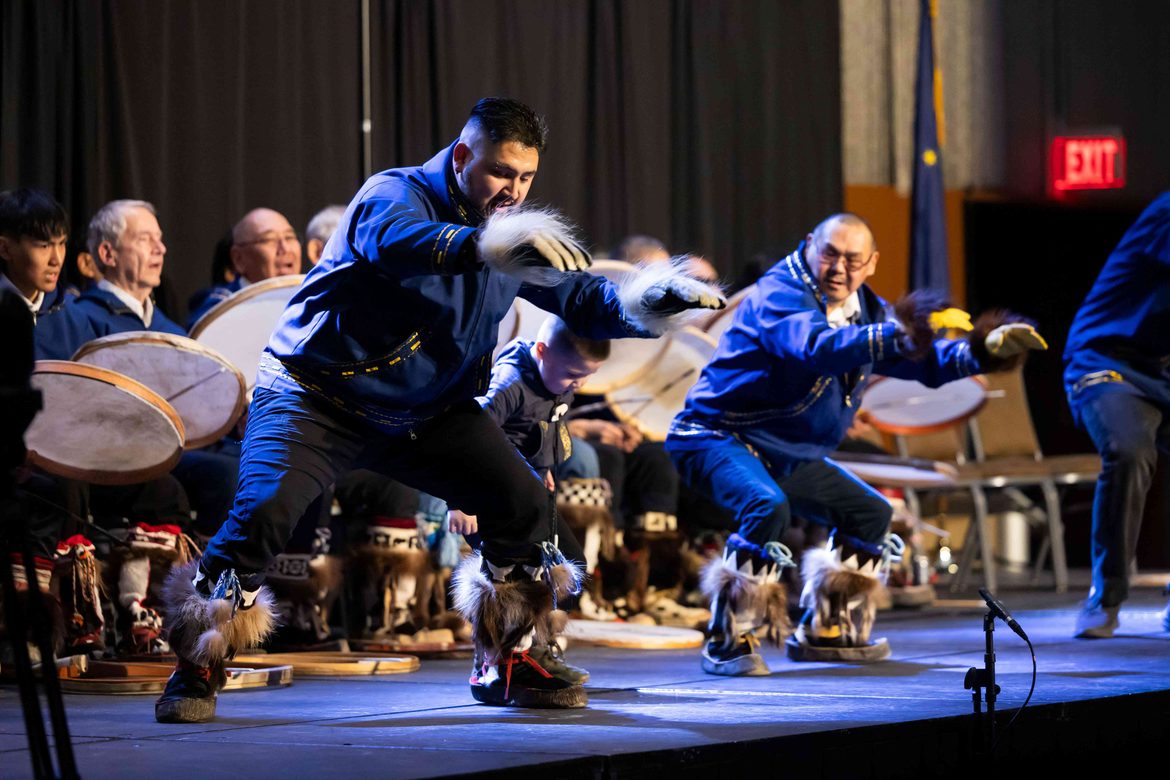
My favorite spot to take in the annual Quyana dance celebration is off to the side of the crowd, by the giant floor-to-ceiling windows of the Dena’ina Center auditorium. I can see the dancers’ faces on the jumbo screen and feel their singing and drumming wash across the big room. Feet – both young and old – pound on the wooden stage, and people in the audience shout out in support. Some stand to dance along. In the front rows, Elders smile and clap hands, happy to see the traditions living on. Out the big third-floor windows, past the traffic and lights of downtown Anchorage, mountains layer off into October’s twilit distance. With dancers from around the state singing in their homegrown languages, I can almost see the great sweep of Alaska beyond. There’s tundra out there, and great rivers, arctic coastlines, and rainforest. The songs grew out of life…
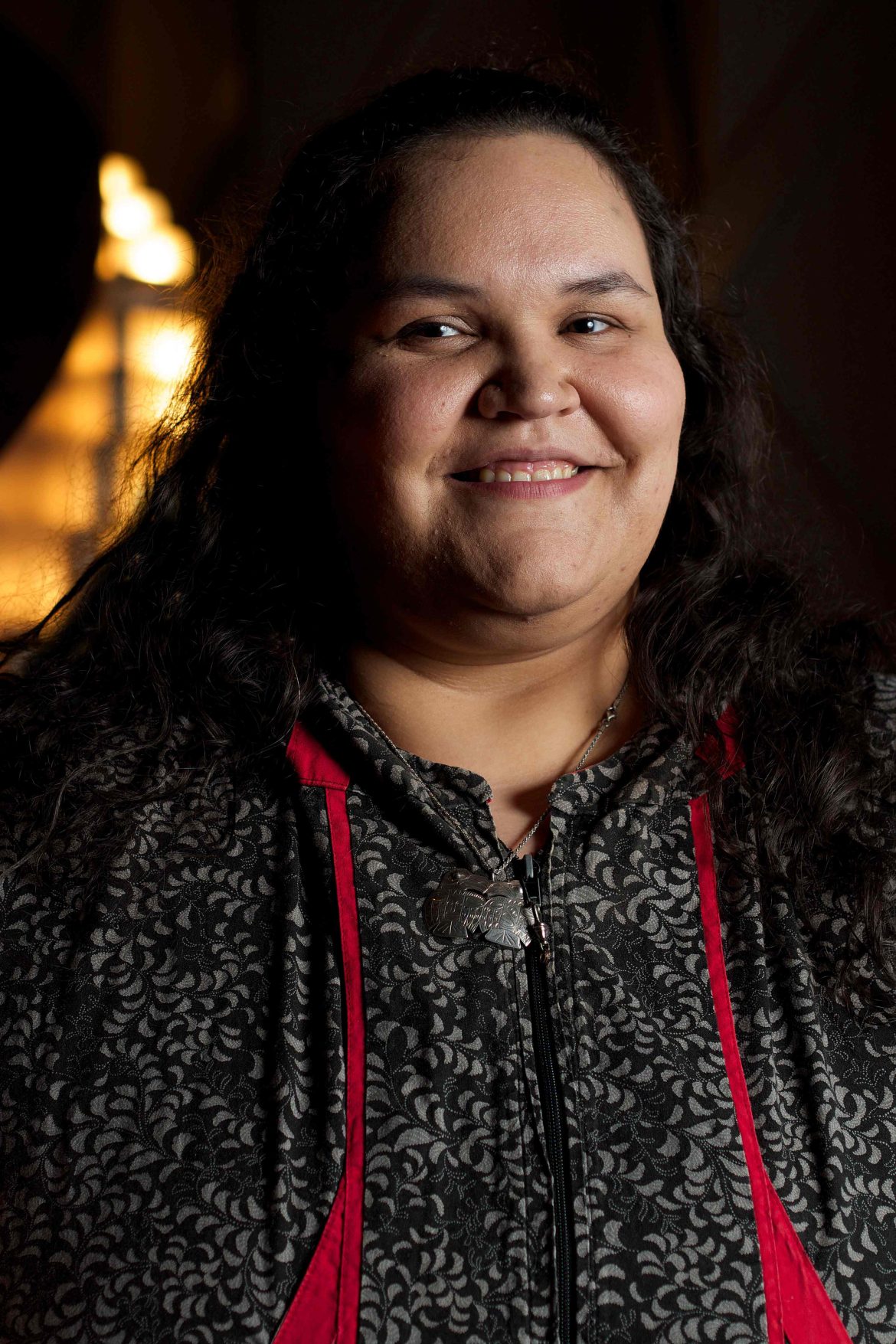
For Alaska Writer Laureate Vera Starbard, Alaskan lands have always inspired and shaped her creative work. Starbard is a Tlingit and Dena’ina playwright, magazine editor, and Emmy-nominated television writer (Molly of Denali) who has been telling stories since she was young. As she wraps up her two-year stint as Writer Laureate, she took a few minutes to chat with Alaska magazine from her home in Juneau. “Lingít Aaní [the Tlingit homeland of southeast Alaska] is integrated into all my writing. It has always mattered to me, and I go to great lengths to describe a place accurately, usually starting with its sound. That’s one way that the land speaks to you. I hope through my writing that people can understand what it means to have a relationship with the land. It’s a cornerstone value of Tlingit culture that includes having respect and responsibility for the land. I’m still working to…

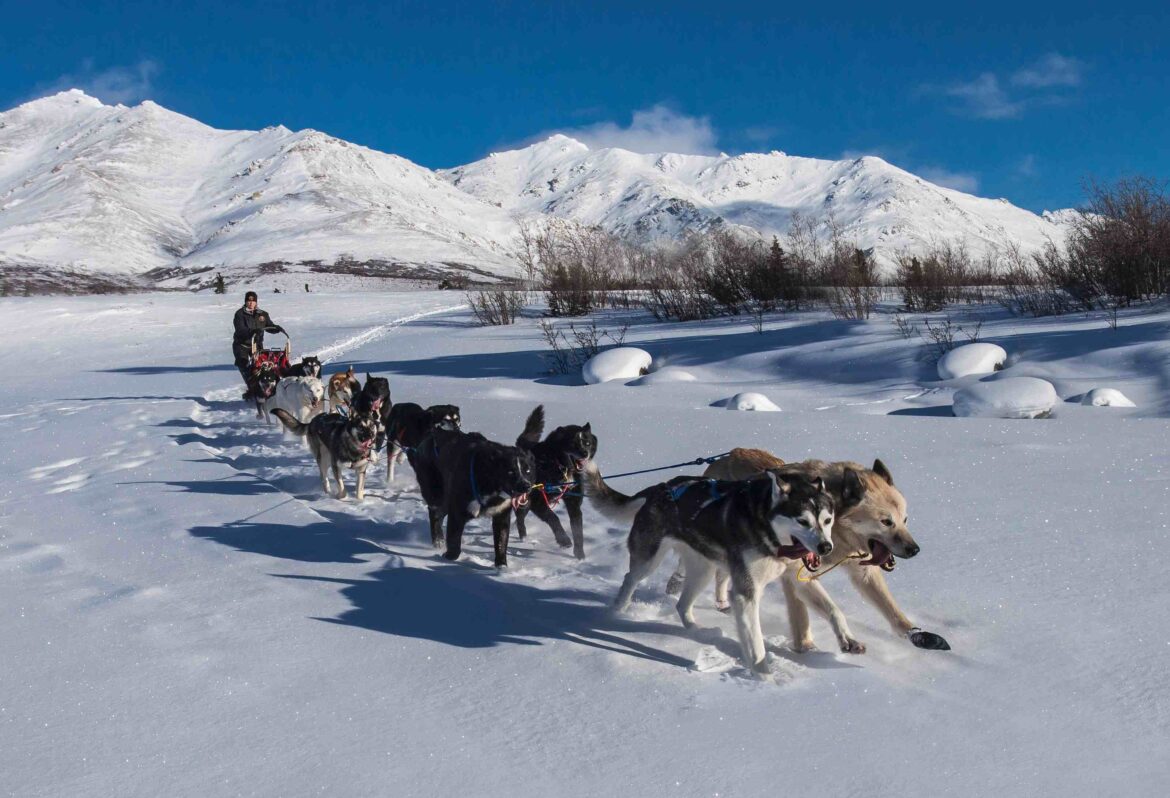
When the Iditarod teams bound out of Willow this month, their odyssey across the Alaskan wilderness will be more than a race. Rising and falling across a frozen landscape – stitching together far-flung rural communities as they go – they will help preserve an arctic sled dog culture that stretches back thousands of years.

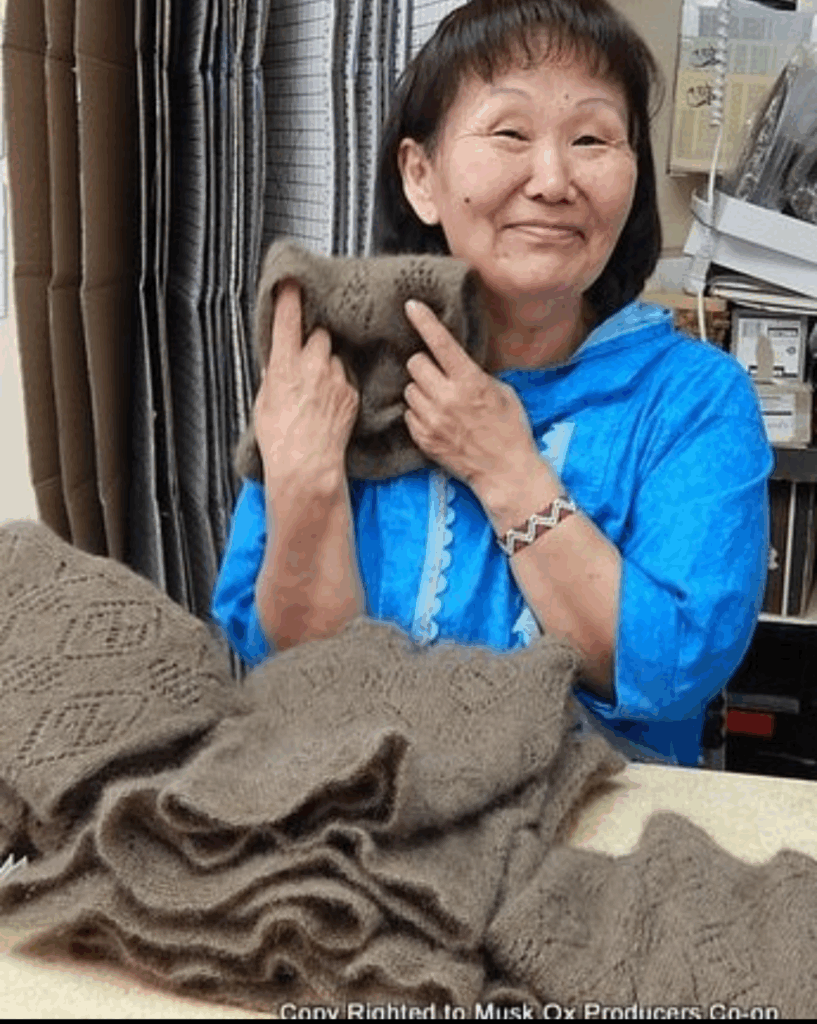
Since 1969, the Oomingmak cooperative has been keeping Alaskans warm with qiviut hats, scarves, and other accessories that are handknit in remote Arctic villages. Qiviut is the famously soft underwool that muskox shed in spring. “It has a great insulating quality,” says Marie Texter, executive director of the cooperative. Speaking from co-op headquarters in Anchorage, she says qiviut is eight times warmer than sheep’s wool and doesn’t itch or shrink. Texter says the co-op was established to provide economic opportunity in remote villages with few cash-paying jobs. But with no quotas or deadlines required of knitters, the arrangement also affords the flexibility villagers need to keep up with subsistence and other needs. “So when the fish come in, people can still be at fish camp,” she says. “Or they can devote time to picking berries in summer.” In between, Texter tells Alaska magazine, they can knit at their own…

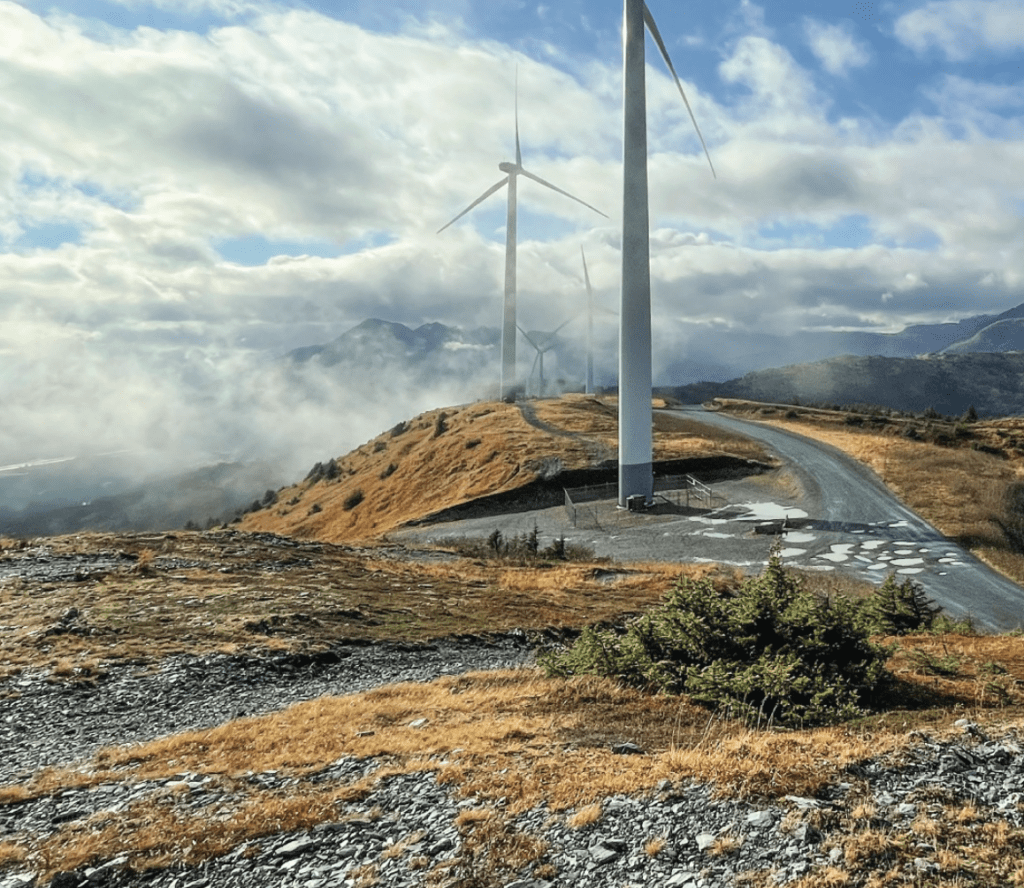
Federal funding has long been crucial to Alaska’s economy, even before statehood. From the Alcan to the pipeline to our airports and beyond, it props up Alaska’s transportation and energy sectors, providing the infrastructure necessary to move people, fish, oil, and minerals. Federal programs have also long supported education, health care, research, and much more. In each case, a steady—and often overlooked—flow of federal dollars helps Alaskans afford the cost of life in the North.

Alaska is one of only a handful of states that celebrates Indigenous Peoples Day on the federal Columbus Day holiday. The state holiday was first created by annual proclamations in 2015 and 2016 by then Governor Bill Walker. In 2017, the Alaska legislature made the holiday permanent, and Walker signed the law while attending Utqiaġvik’s annual Nalukataq whaling festival.

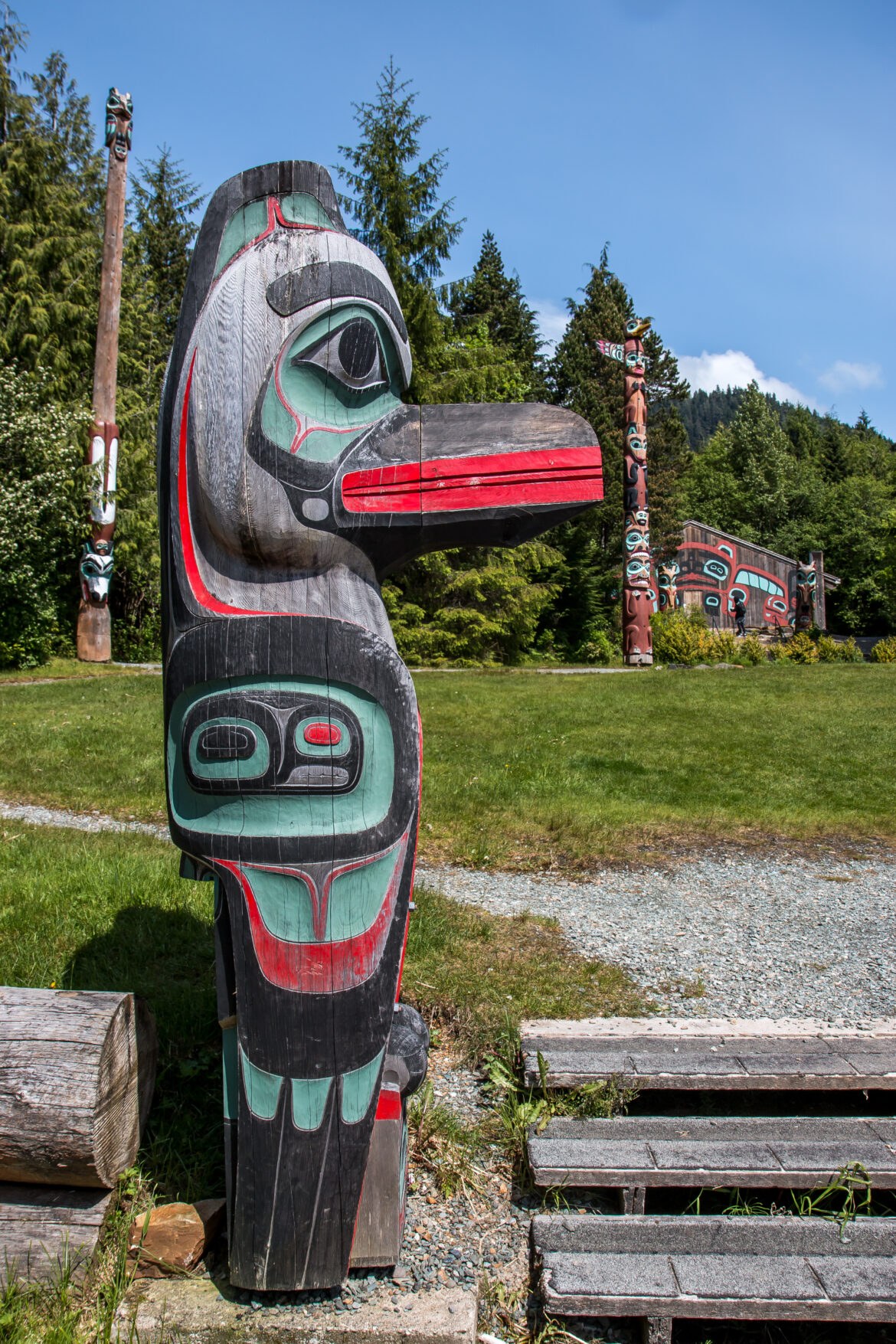
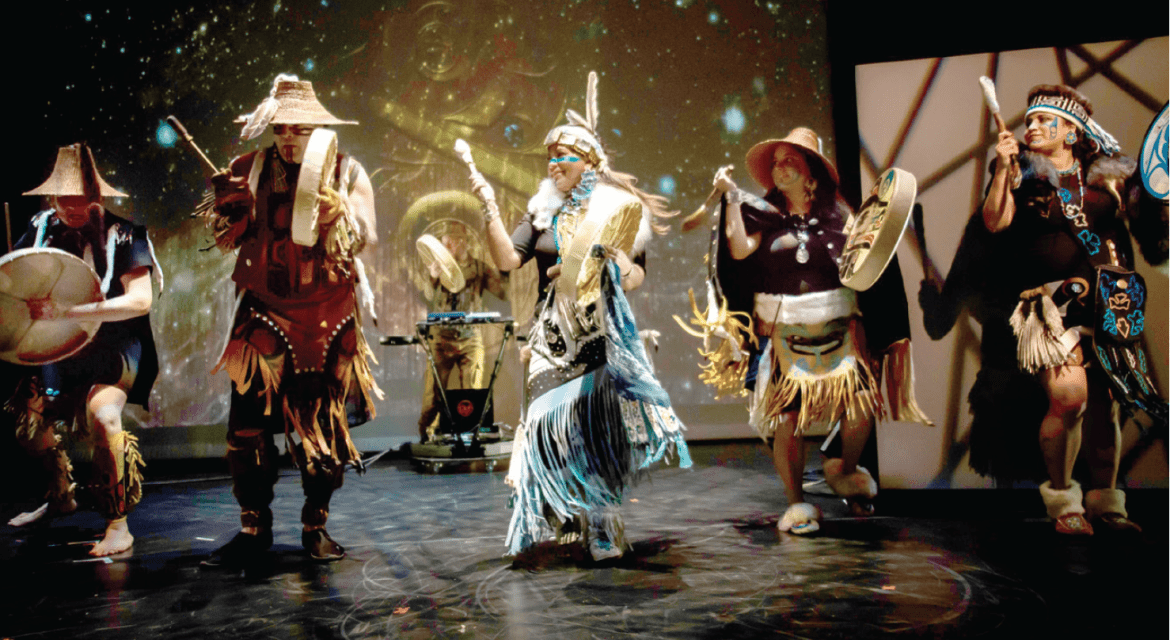
Above: The Dakhká Khwaán Dancers. Photo courtesy Simon Ager The Dakhká Khwáan Dancers from Whitehorse, Yukon, are the lead dance group at this month’s Celebration in Juneau, the region’s largest Alaska Native gathering. It’s the first time in the event’s 42-year history that the lead dancers hail from outside of southeast Alaska. “We are the first Interior Tlingit group to be given the honor,” says Marilyn Jensen-Yadułtin, the founder and leader of the group since 2007. “We are very humbled, honored, and excited.” As lead dancers, they will sing and drum as dozens of groups file onstage during Celebration’s opening and closing events. Jensen-Yadułtin says it takes “tremendous endurance,” as each performance requires three hours of non-stop singing and dancing. The group has practiced for months and will debut new regalia, songs, and masks. First formed in Carcross, Yukon, the Dakhká Khwáan Dancers have grown from six to 30 members…

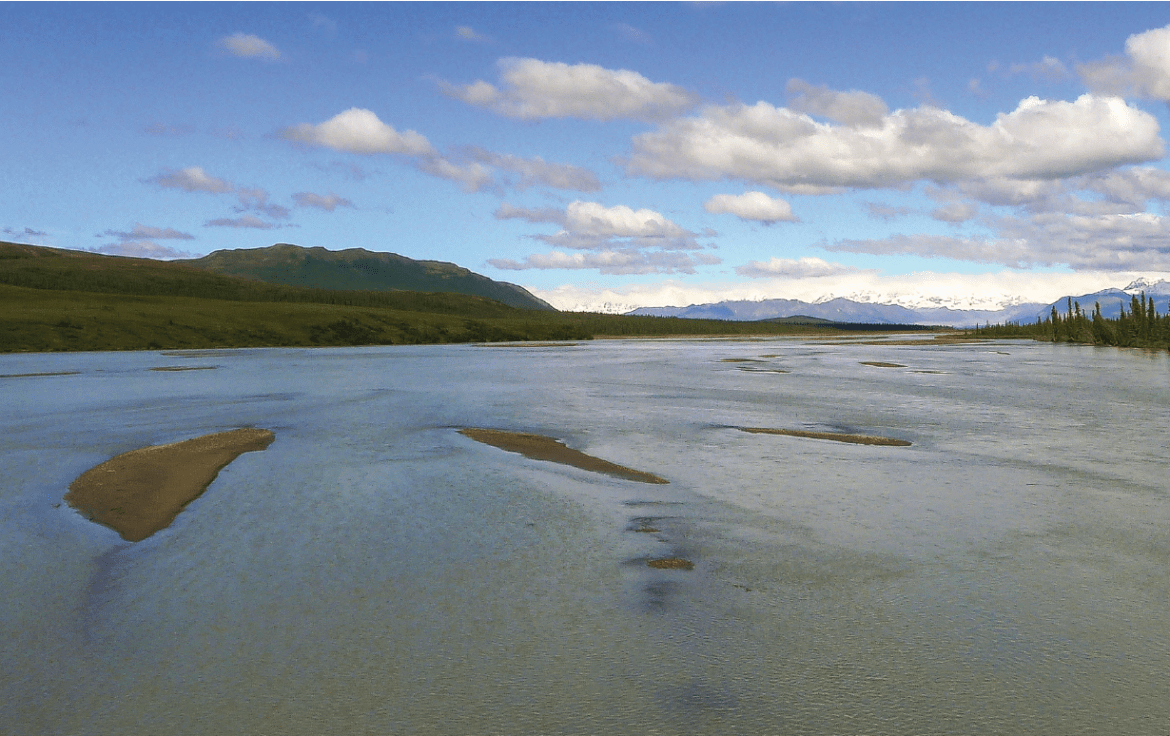
DIGENEGH (MCGRATH) “Over on the Kuskokwim River” in Deg Xinag, the Athabascan language of Shageluk, Anvik, and the Athabascans at Holy Cross. Of about 275 Deg Hit’an people, approximately 40 speak the language. McGrath is featured in Luc Mehl’s story in this month’s Community section. (source: Deg Xinag Learners’ Dictionary) SUYITNA (SUSITNA RIVER) Dena’ina for “sandy river,” referring to the river’s silt and many sandbars. The river begins at the Susitna Glacier in the Alaska Range and runs 313 miles to the ocean near Anchorage. It drains nearly 20,000 square miles, mostly within the Matanuska-Susitna Borough, home to this year’s Arctic Winter Games. Learn more about the games in this month’s Profile section by Tim Lydon. (source: Shem Pete’s Alaska) Above: Sandbars in the Susitna River as seen from the Denali Highway. Courtesy Bo Mertz

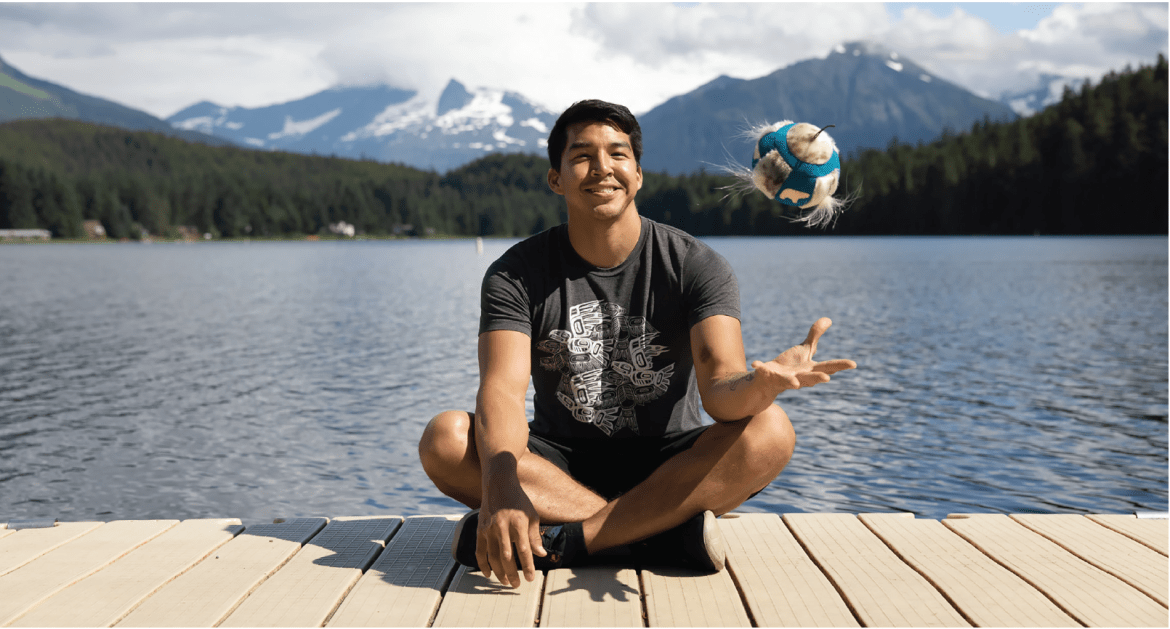
Kyle Worl is an athlete and coach competing in the arctic sports category of this month’s Arctic Winter Games, being held in the Mat-Su valley. The arctic sports events, which originated over many generations in Indigenous communities across the circumpolar north, are a high- light of the games. They include the two-foot high kick, knuckle hop, and other sports linked to Indigenous hunting skills. The Arctic Winter Games also host com- petitions in hockey, skiing, skating, and other sports.