Tag

Alaska Native

Browsing

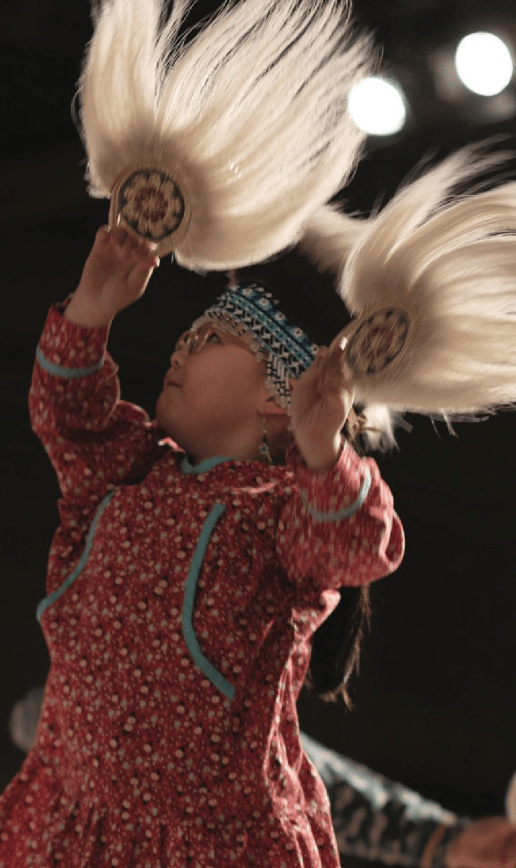
In Yup’ik culture, “Cama-i!” is a welcome greeting often accompanied by a handshake. It’s also the spirit behind the annual Cama-i Dance Festival, a three-day event held in Bethel and sponsored by the Southwest Alaska Arts Group. Visit www.swaagak.org for this year’s detailed schedule. The longstanding festival features Yup’ik dance, arts, crafts, seminars, a qaspeq fashion show, and public honors for local culture bearers. It has attracted 4,000 people and 20 Alaskan and international dance groups. This year’s theme is Yuraq Paiciutekaput – Dance is Our Legacy. Alaska Airlines offers a 7% discount code ECMK252 for people traveling to the festival (some exclusions apply). The event relies on volunteer support, and anyone wishing to volunteer can contact Laura Ellsworth at lbellsworth@alaska.edu. This year’s festival is dedicated to the memories of Seliksuyar Bob Aloysius of Bethel and Inuguarpak Stanley Anthony of Nightmute. And it honors culture bearers Ap’alluk Levi Hoover of Kasigluk and Atrilnguq Joseph Asuluk Sr. of Toksook Bay. Photo credit: Wáats’asdiyei Joe Yates
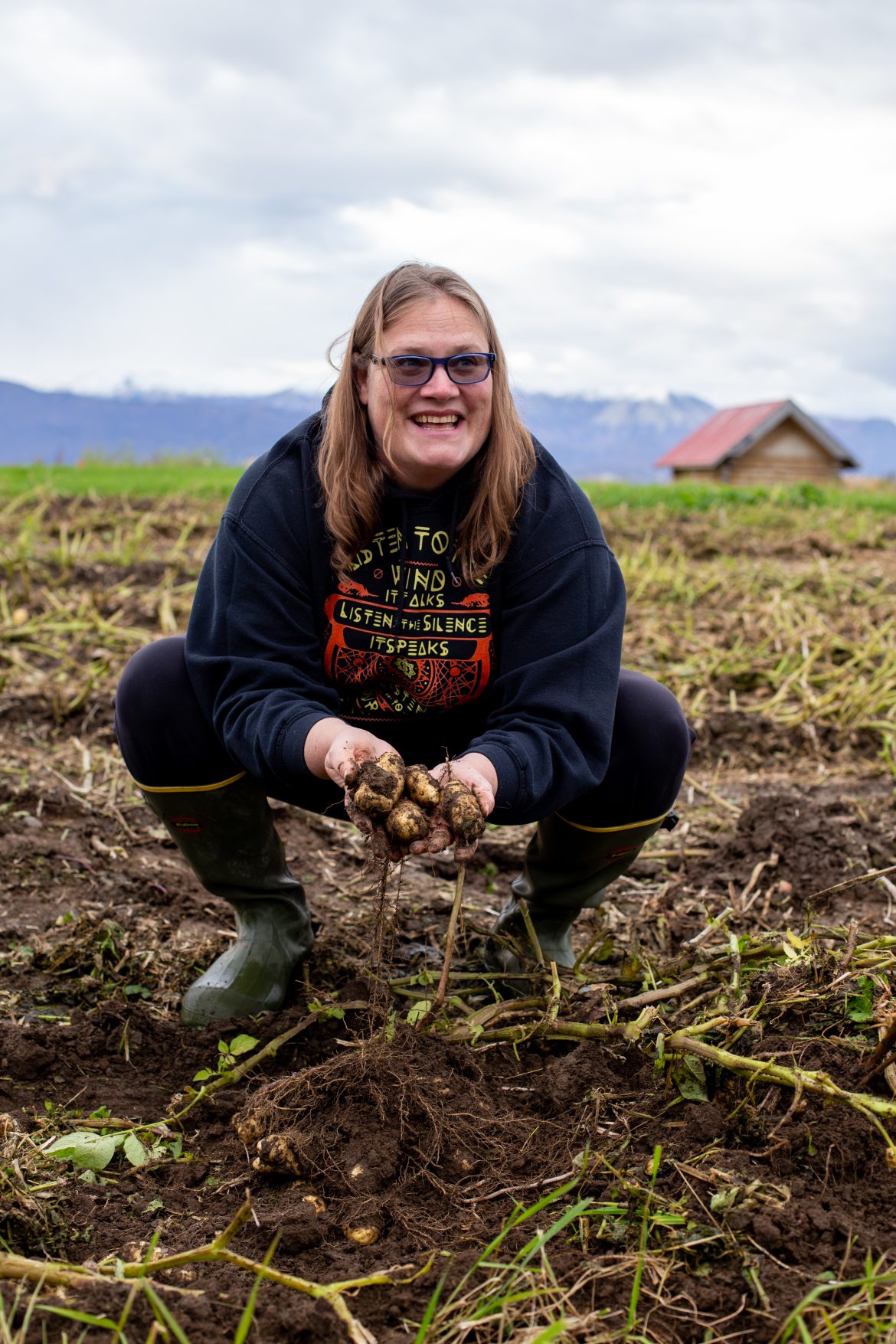
Chef Amy Foote and the Traditional Foods Program of Alaska Native Medical Center As executive chef at the Alaska Native Medical Center in Anchorage, Amy Foote is determined to provide the hospital’s Alaska Native and American Indian patients with traditional foods that are both healthy and culturally meaningful, which Foote says can aid healing. Foote’s kitchen provides 5,000 meals a day to inpatients, outpatients, and visitors at the campus hotel. “Our traditional foods program accepts donations, but we also collaborate to see what can be hunted, fished, gathered, or grown. We have Alaska Native-raised reindeer, wild-caught salmon, and seal donated by Alaska Native hunters. I also work with farms and Alaska Pacific University to grow traditional plants, including hydroponically, so we can get the foods that really heal and comfort our patients. I love my job. It requires building partnerships and sometimes getting people to think differently, like when we…

Alaska Native Historian Holly Guise on the Value of Oral Histories Alaska Native historian Holly Miowak Guise (Iñupiaq) reflects on how recorded oral accounts connect Alaskans and incorporate Indigenous voices into today’s historical narratives. “Oral history is a powerful way to reach students, academics, and the public, enabling listeners to connect with a speaker, hear about their life, and perhaps more readily empathize with them. It’s also important for integrating Indigenous perspectives missing from Western archives. Oral histories are meant to be listened to. Even when a transcript is available, it’s best to listen to the audio, which offers human voice, character, intonation, and the interactions between the interviewer and interviewee. Today, websites or YouTube channels allow people to hear oral histories from their homes or classrooms. I created a website, ww2alaska.com, during a postdoctoral year at the University of California Irvine that hosts testimonies from Unangax̂ survivors of relocation…

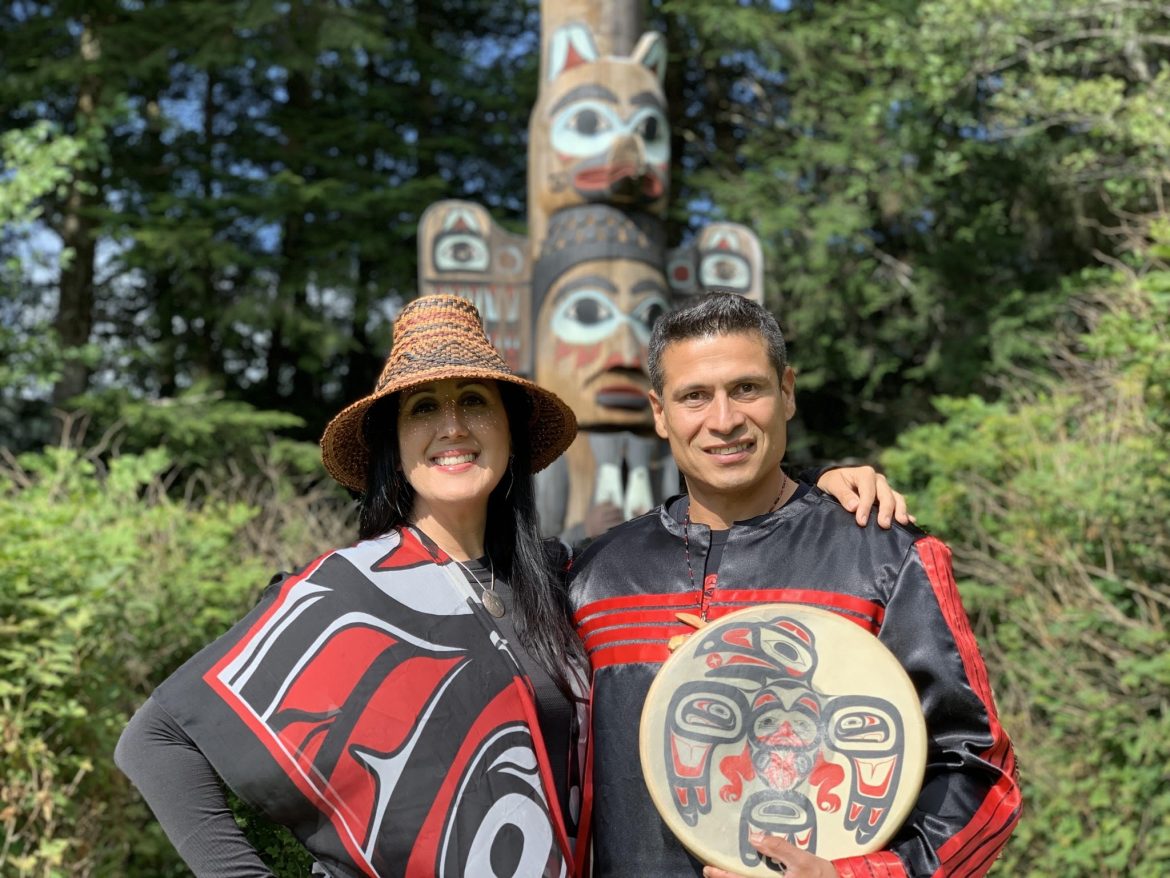
Kevin Johnson of Ketchikan Native Tours Kevin Johnson loves his hometown. He and his wife, Melissa, own and operate Ketchikan Native Tours, which offers hiking, sightseeing, and more, all while sharing insight into southeast Alaska’s Indigenous cultures. “We love sharing our Alaska Native heritage and our connection to the land and ocean. We’re Ketchikanites too, so we know all the little intricacies of our beautiful community. Ketchikan has a tremendous Indigenous history with our Tlingit, Haida, and Tsimshian people, and our Aleut community and World War II internment camp history. There’s Norwegian influence, too. So we have this diversity of art, religion, and industries. It’s fascinating how it all forms the community of Kichxáan, as the original Tlingit inhabitants called Ketchikan. One of my favorite spots is Totem Bight State Historical Park. It’s a collection of restored totem poles from neighboring villages and it sits right on the water with…

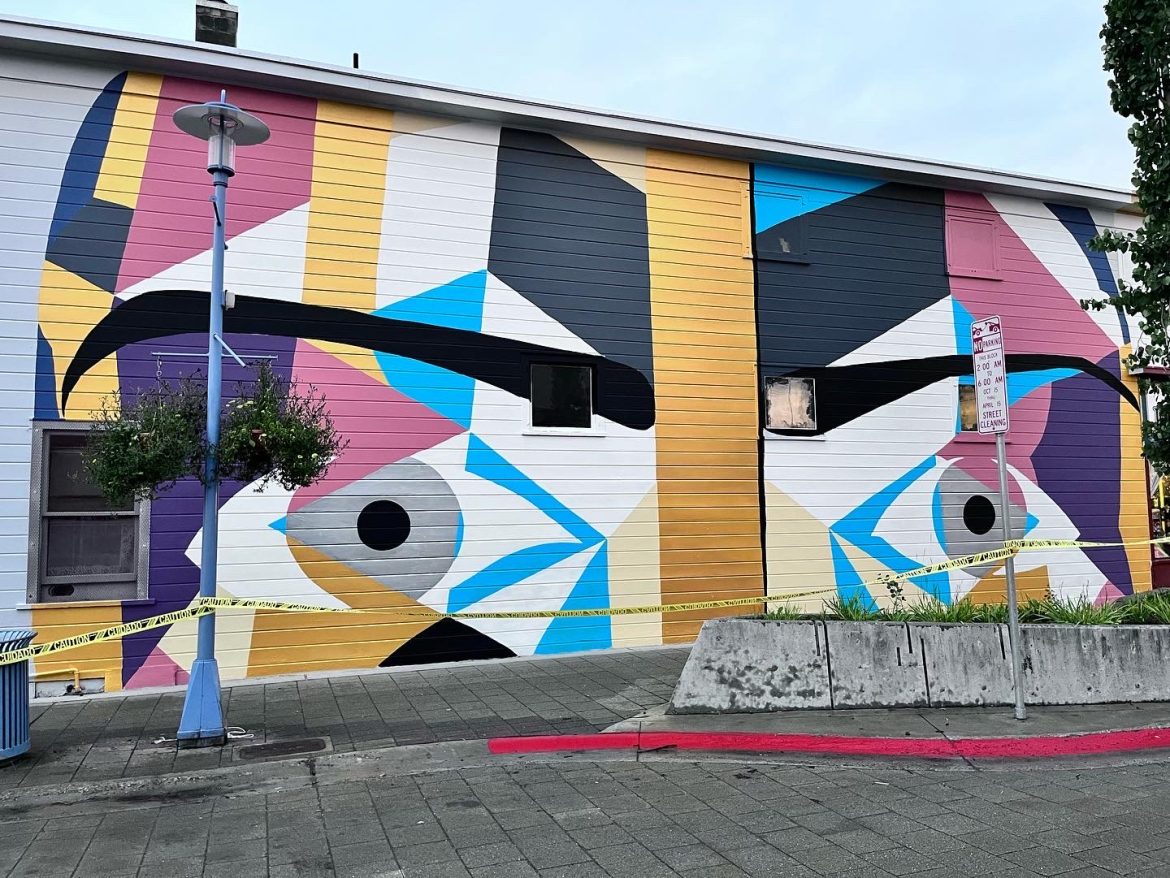
Two Alaska Native artists bring new color to the Anchorage streetscape This summer, Anchorage visitors can seek out two new public murals created by forerunners in Alaska Native art. The first is located on G Street on the east side of the RIM Architecture building and was painted by Crystal Worl, a Tlingit, Athabaskan, Yup’ik, and Filipino artist based in Juneau. Worl has emerged as a prominent Alaskan artist whose work is featured in public spaces in Juneau and has appeared as a Doodle on Google’s homepage. Her new mural, completed in August 2022, honors several Alaska Native groups and highlights Anchorage as a cultural gathering place. The second mural graces the The Kobuk building on the corner of 5th Avenue and E Street. Painted by Yup’ik and Inupiaq artist Drew Michael, its vivid colors recreate a mask he carved in 2019 and celebrate the rich cultural traditions of the…

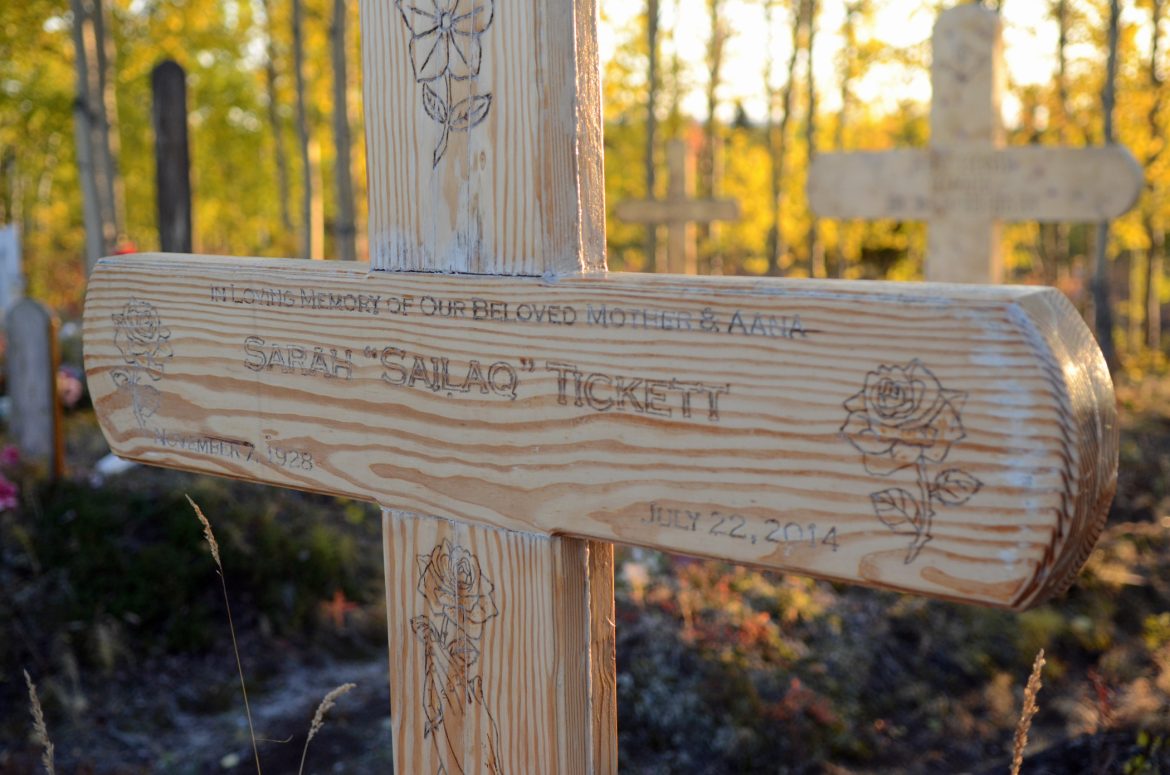
Loss beyond years and miles I’ve just checked my box at the Ambler post office on a mid-August afternoon; Sarah Tickett might have smiled and handed me my mail; instead, it’s someone else. Just across the trail stands Nelson and Edna Greist’s plywood cabin. The door is open, an armload of wood on the stoop; a familiar, fireweed-framed clutter fills the yard. But there’s no sign of Nelson sitting in his spot to the right of the door, working on a piece of spruce or jade; no huge, squinting, gap-toothed smile as he invites me in with his signature “Gonna coffee!” and he and Edna welcome me like a long-lost relative; no Inupiaq legends or tales of his youth, living from the land in the wind-raked Killik River country, his family sometimes on the edge of survival. Another couple hundred yards toward my place on the downstream edge…

Bringing Native Values to Work Sophie Minich and Sheri Buretta were both little girls in Alaska when, 51 years ago, on December 18, 1971, President Richard Nixon signed the landmark Alaska Native Claims Settlement Act (ANCSA). The act was the first of its kind in the United States’ long history of settlements with Native Americans. ANCSA created 12 Native regional economic development corporations in which the stockholders are the Native people who traditionally lived in these regions. The corporations were formed to provide economic, educational, social service, and cultural benefits to their shareholders. Today, Minich and Buretta lead two of these Native corporations. Buretta is the chairman of the board for Chugach Alaska Corporation. Minich is the president and CEO of Cook Inlet Region Inc. (CIRI). Sheri Buretta Growing up between Tatitlek and Anchorage, Sheri Buretta and her family drove from Anchorage, where she lived, to Valdez, where an uncle…

Communication is Key I grew up in the Lower 48, and over the last decade, I’ve come to realize the differences between people who live in Alaska versus those who don’t. My clients, who I take on Alaska tours, also note these distinctions and point them out—usually with amusement, and other times with shock akin to having entered a foreign country with a different language and culture. Of course, these are generalizations—but indulge me for my years on the ground in the north and attempts at self-deprecating humor. One of the first things you need to know about Alaskans is that they prefer to communicate by phone or in person. Many businesses don’t publish their email address for correspondence, not even a general one or automated form. Because I have social anxiety and will always choose to write rather than call or meet in person, I have spent hours searching…