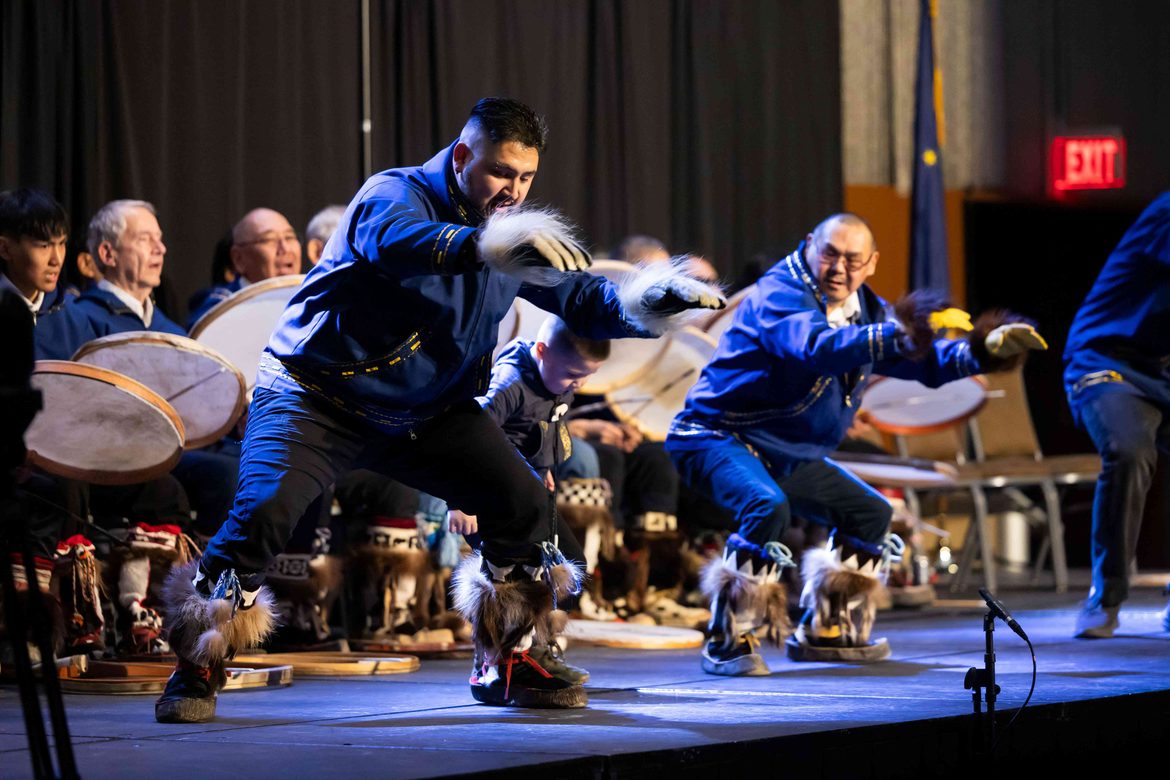
My favorite spot to take in the annual Quyana dance celebration is off to the side of the crowd, by the giant floor-to-ceiling windows of the Dena’ina Center auditorium. I can see the dancers’ faces on the jumbo screen and feel their singing and drumming wash across the big room. Feet – both young and old – pound on the wooden stage, and people in the audience shout out in support. Some stand to dance along. In the front rows, Elders smile and clap hands, happy to see the traditions living on. Out the big third-floor windows, past the traffic and lights of downtown Anchorage, mountains layer off into October’s twilit distance. With dancers from around the state singing in their homegrown languages, I can almost see the great sweep of Alaska beyond. There’s tundra out there, and great rivers, arctic coastlines, and rainforest. The songs grew out of life…
For Alaska Writer Laureate Vera Starbard, Alaskan lands have always inspired and shaped her creative work. Starbard is a Tlingit and Dena’ina playwright, magazine editor, and Emmy-nominated television writer (Molly of Denali) who has been telling stories since she was young. As she wraps up her two-year stint as Writer Laureate, she took a few minutes to chat with Alaska magazine from her home in Juneau. “Lingít Aaní [the Tlingit homeland of southeast Alaska] is integrated into all my writing. It has always mattered to me, and I go to great lengths to describe a place accurately, usually starting with its sound. That’s one way that the land speaks to you. I hope through my writing that people can understand what it means to have a relationship with the land. It’s a cornerstone value of Tlingit culture that includes having respect and responsibility for the land. I’m still working to…
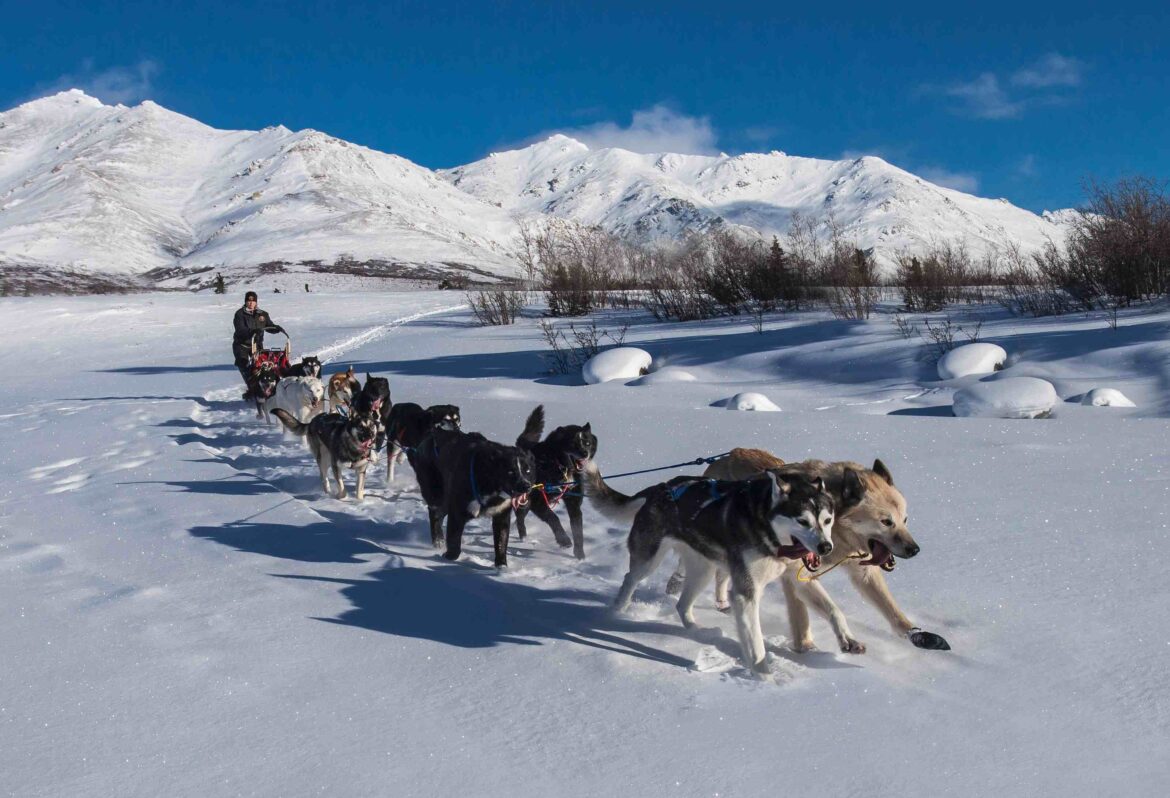
When the Iditarod teams bound out of Willow this month, their odyssey across the Alaskan wilderness will be more than a race. Rising and falling across a frozen landscape – stitching together far-flung rural communities as they go – they will help preserve an arctic sled dog culture that stretches back thousands of years.
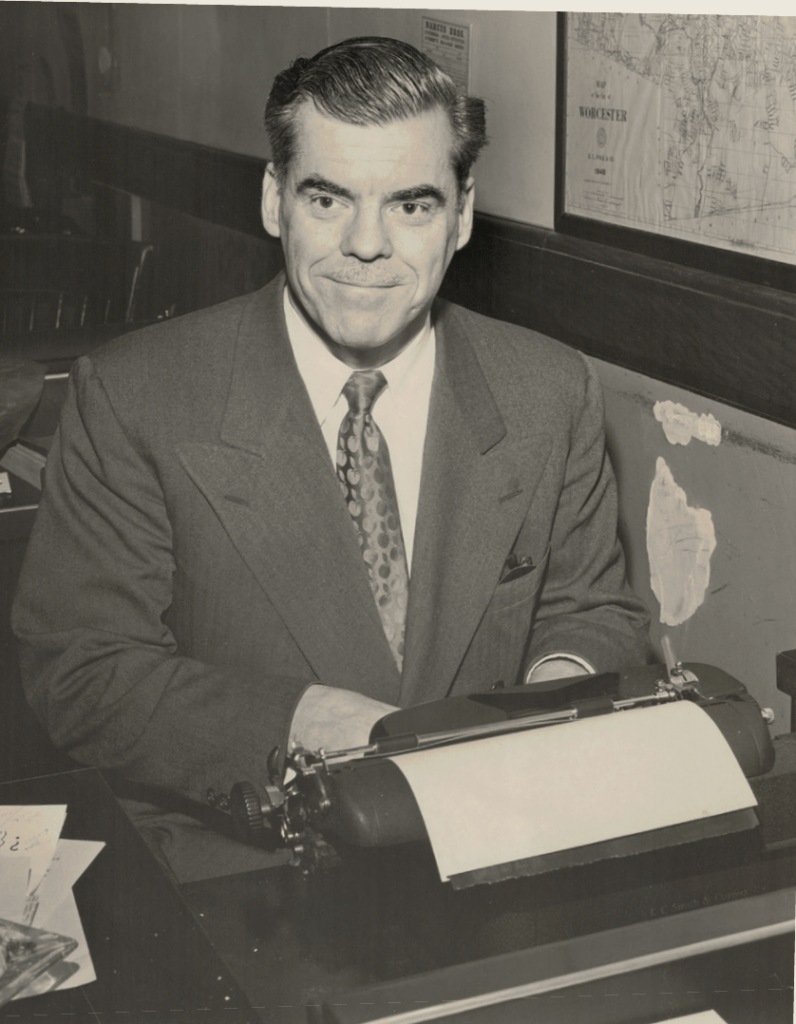
Alaska has a legacy of bigger-than-life media personalities who ruled the presses like old-fashioned newspaper barons.
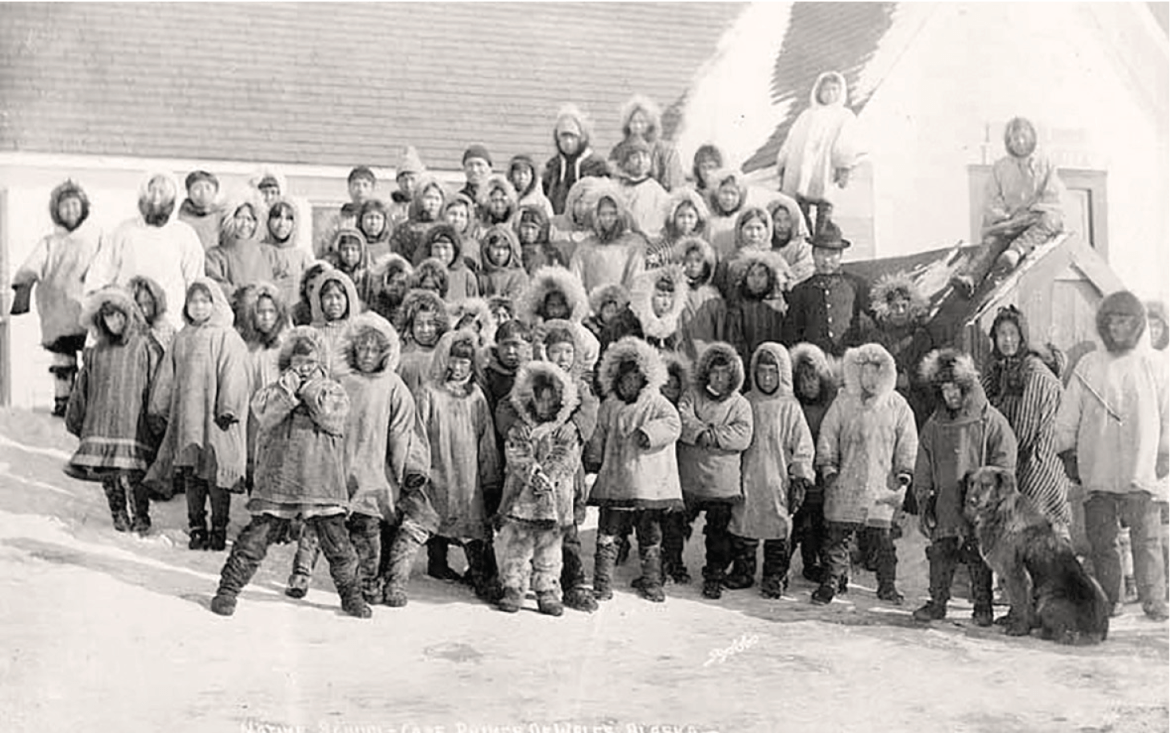
The Molly Hootch case, which ultimately dismantled a discriminatory education system for rural Alaska Native students, was first filed in Anchorage on August 1, 1972.
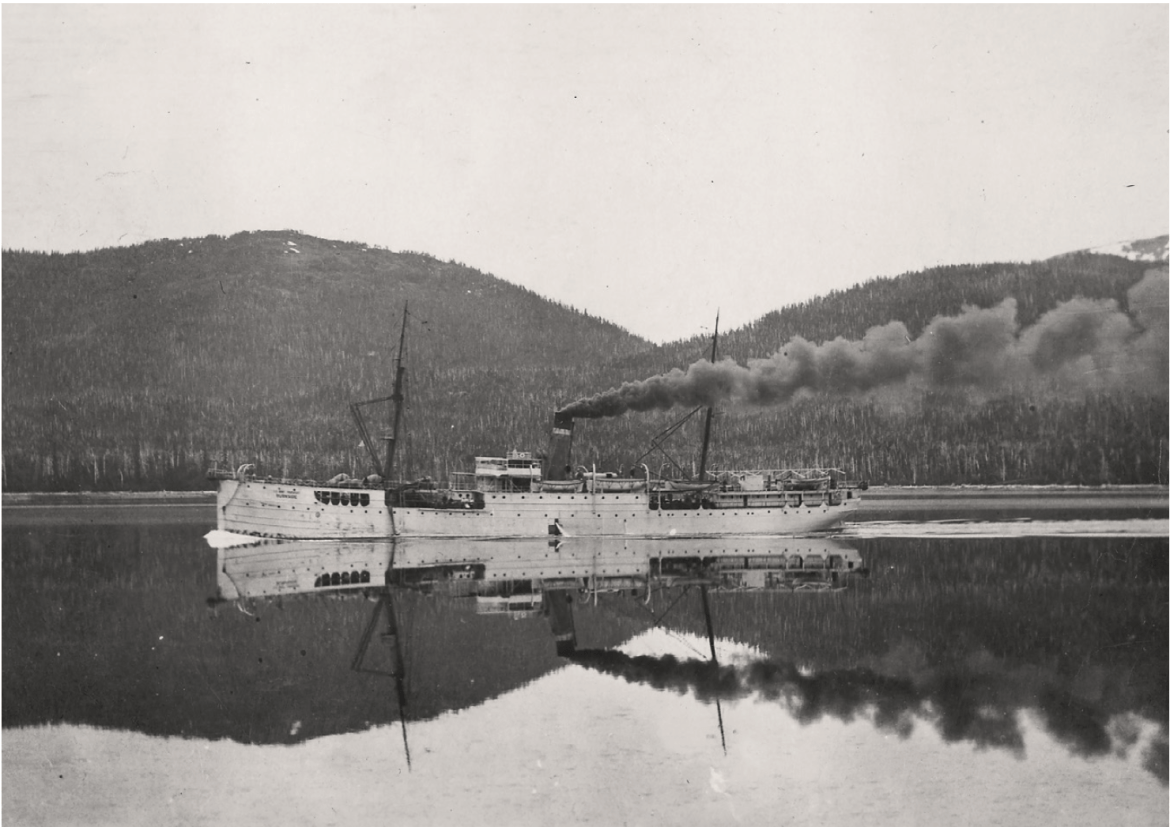
ALASKA GETS ITS FIRST “ALL-AMERICAN” TELEGRAPH CONNECTION On March 2, 1903, Congress funded undersea telegraph cables between Seattle, Sitka, and Juneau, which would connect Alaska’s military posts to their Washington, D.C., headquarters. Previously, Alaskan telegraphs reached the Lower 48 via Canadian wires. To tackle the job, the U.S. Army used a Spanish ship seized off the coast of Cuba in 1898, during the Spanish-American War. Named the Rita by the Spanish, the army redubbed it the Burnside, after Civil War major general Ambrose Burnside. The nearly 300-foot iron steamer could carry 300 miles of cable. The Burnside finished laying the first 291 miles of cable between Sitka and Juneau in October 1903. By the following August, it had strung over 1,000 miles of line from Sitka to Seattle. Under further appropriations, the Burnside extended the cables from Sitka to Valdez in 1904 and on to Seward in 1905. Twenty years…
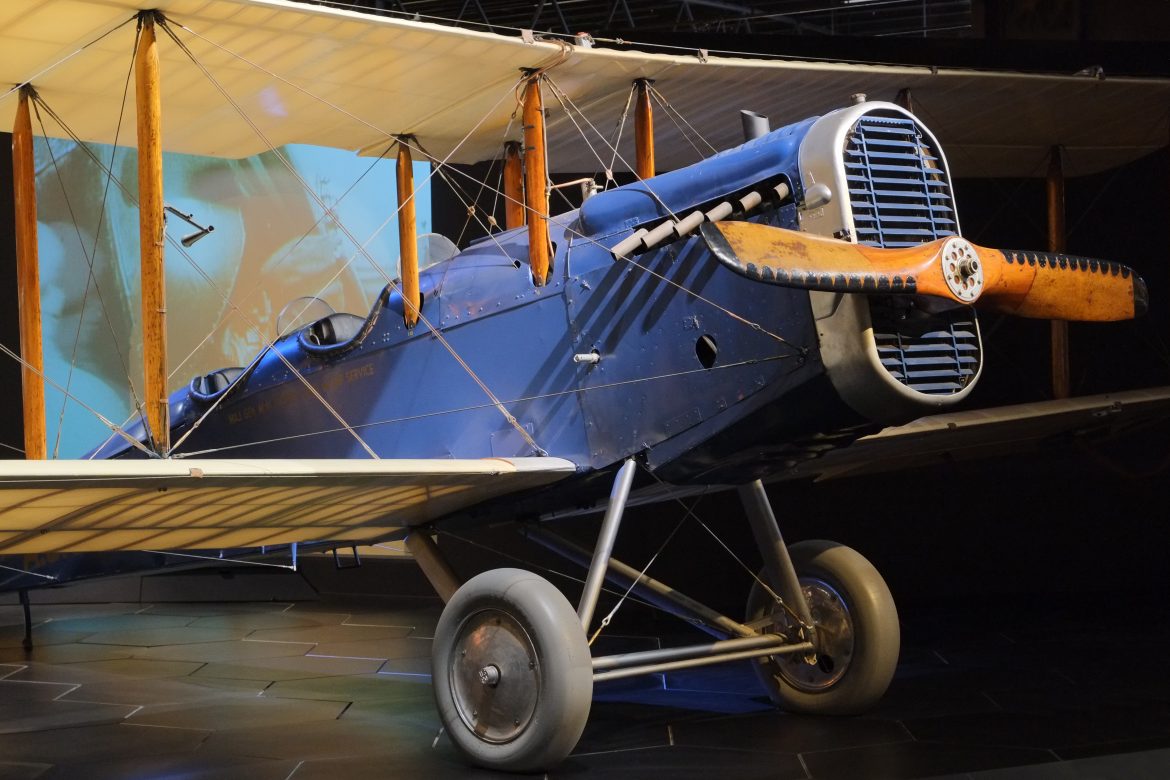
Eielson’s epic mail flight On February 21, 1924, Carl Ben Eielson flew Alaska’s first official air mail service. The 280-mile flight from Fairbanks to McGrath took just a few hours, compared to 18 days or more by dog sled. Eielson used a de Havilland DH-4 open cockpit biplane to carry the 164 pounds of mail, and he bundled up in caribou-fur socks, moccasins, a reindeer parka, a marten-skin cap, a wolverine-skin hood, and multiple wool layers, as well as goggles. Born in North Dakota in 1897, Eielson flew in the U.S. Army Air Service during World War I. In 1922, he took a teaching job in Fairbanks but soon devoted his time to flying bush planes for miners and their cargo, quickly becoming one of Alaska’s most pioneering bush pilots. He died in 1929 while trying to rescue a ship full of furs that was mired in ice off the…
Important moments captured in print The images in this archival portfolio prove what we’ve always known: There’s no place on Earth like Alaska. The storied history of our state includes, well, statehood itself, along with catastrophic volcanic eruptions, record-shattering earthquakes, the gold rush, groundbreaking legislation, and the purchase of Alaska from Russia—to name a few. While we couldn’t include every monumental event, we hand-selected a few unique and compelling images to serve as a reminder of the people, places, decisions, and elements of the natural world that have shaped the Great Land. —Michelle Theall Anchorage’s Fourth Avenue looking east after the devastating earthquake of 1964 The massive 9.2 magnitude Good Friday earthquake occurred on March 27. The shaking and subsequent tsunamis and landslides caused more than 100 deaths, and the state sustained $311 million in damages. The quake was the most powerful recorded in North American history. A colossal 200,000…
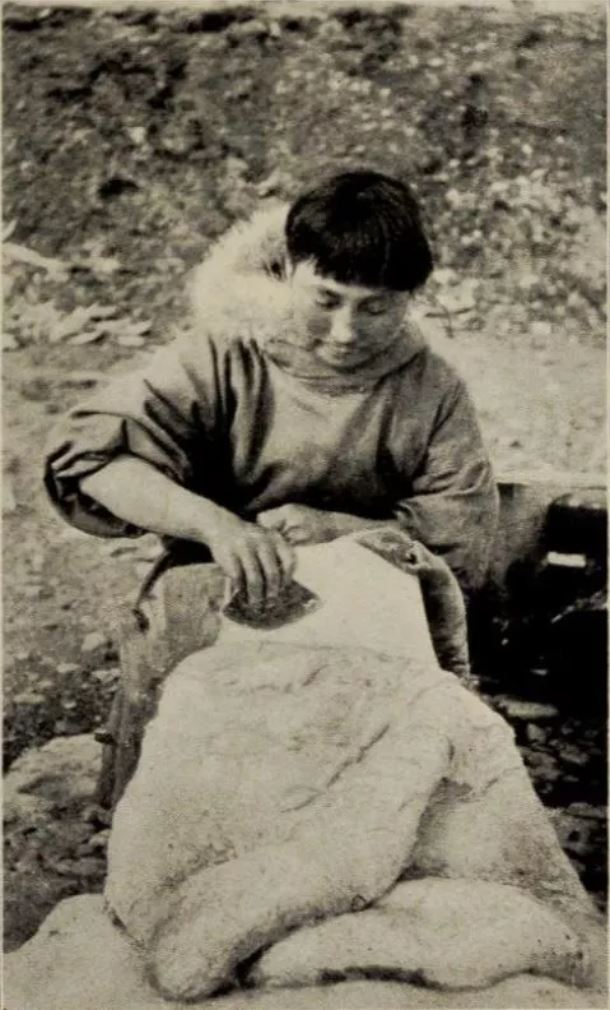
Reluctant Alaskan hero by Ray Cavanaugh Wrangel Island was never a place people would visit unless they had a really good reason. Technically part of Russia, it’s some 300 miles north of the Arctic Circle and almost as many miles away from the Alaskan coast. It tended to attract young men seeking adventure, danger, and perhaps some personal glory. For the first two, the island was a safe bet. The glory part, however, proved rather more elusive, often fatally so. This hostile piece of territory, with far more polar bears than people, had managed to become a source of international controversy, with Russians, Americans, and Canadians at different points making claims for their homeland. All this was far outside the thoughts of Ada Blackjack, until a set of life circumstances placed her directly on Wrangel’s icy surface and forever linked her name to its formidable legacy. An Alaskan Inupiat, Ada…
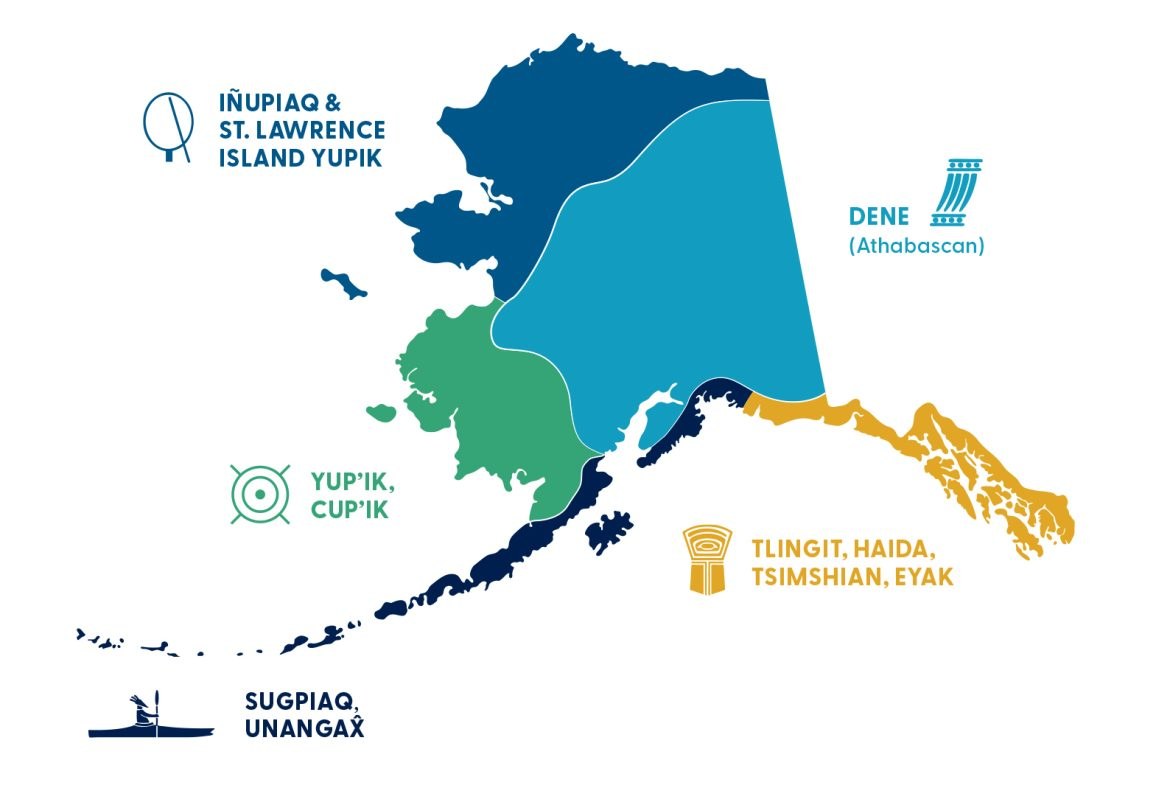
NOTE: Map is reprinted with permission from Travel Alaska (travelalaska.com) and Alaska Native Heritage Center (alaskanative.net); edited text is courtesy of Travel Alaska. IÑUPIAQ & ST. LAWRENCE ISLAND YUPIK The Iñupiaq and the St. Lawrence Island Yupik people call themselves the “Real People.” Their homeland covers Alaska’s northern Arctic region, remote and diverse, and accessible primarily by plane. Filled with an amazing array of wildlife and a landscape ranging from coastline to tundra, Alaska Natives here rely on subsistence. SUGPIAQ & UNANGAX The southwest region’s coastal communities and archipelago are defined by rugged shoreline and terrain. Having long depended on the sea for survival, water is central to the Unangax̂ and Sugpiaq way of life. Their homeland stretches from Prince William Sound to Kodiak Island and along the 1,200-mile-long Aleutian Islands Chain. TLINGIT, HAIDA, EYAK, & TSIMSHIAN The southeastern panhandle is home to the Tlingit, Haida, Eyak, and Tsimshian.…