Tag

alaska history

Browsing

Inspired by Alaska Maggie Shipstead’s novel Great Circle follows the life of Marian Graves, a female pilot who disappears near Antarctica in 1950 while attempting to circumnavigate the earth north to south. While the book is packed with shipwrecks, plane crashes, bootlegging mobsters, Hollywood scandals, and forbidden romance, a sizeable part of the story takes place in the glaciers, frontier towns, and wilderness of Alaska. The 600-page book—spanning three generations and nearly 100 years of history—took Shipstead more than six years to create, and was a finalist for the 2021 Booker Prize. In this interview, Shipstead describes how Alaska helped inspire her story of a woman breaking barriers, both personal and universal. —AS TOLD TO AND EDITED BY MOLLY RETTIG Your protagonist, Marian, had a pretty crazy childhood. She survived a shipwreck as a newborn in which her father, the captain, rescued Marian and her twin brother in a lifeboat.…
Alaska Native Historian Holly Guise on the Value of Oral Histories Alaska Native historian Holly Miowak Guise (Iñupiaq) reflects on how recorded oral accounts connect Alaskans and incorporate Indigenous voices into today’s historical narratives. “Oral history is a powerful way to reach students, academics, and the public, enabling listeners to connect with a speaker, hear about their life, and perhaps more readily empathize with them. It’s also important for integrating Indigenous perspectives missing from Western archives. Oral histories are meant to be listened to. Even when a transcript is available, it’s best to listen to the audio, which offers human voice, character, intonation, and the interactions between the interviewer and interviewee. Today, websites or YouTube channels allow people to hear oral histories from their homes or classrooms. I created a website, ww2alaska.com, during a postdoctoral year at the University of California Irvine that hosts testimonies from Unangax̂ survivors of relocation…

Spoiler alert: it doesn’t include everything My family’s history in Alaska goes back to just before statehood, when my parents, who hadn’t yet met, each moved here for work and adventure. To me, those origins—my origins—seem distant, but through other lenses, our time here is a mere blip on the screen of existence. History, this issue’s theme, is messy, multi-layered, and fascinating. And it’s always told from a certain perspective. This region’s past didn’t begin with statehood, of course, nor with overseas explorers, nor with Indigenous cultures. When did it start, then? With the dinosaurs roaming ancient lands? When plate tectonics and volcanism were building Alaska’s mountains?  When we decided on this theme, I thought, “How should we narrow it down? What to include? Leave out?” As happens with each issue, the process is part logical planning and part chance depending on what ideas writers pitch us and what photos…

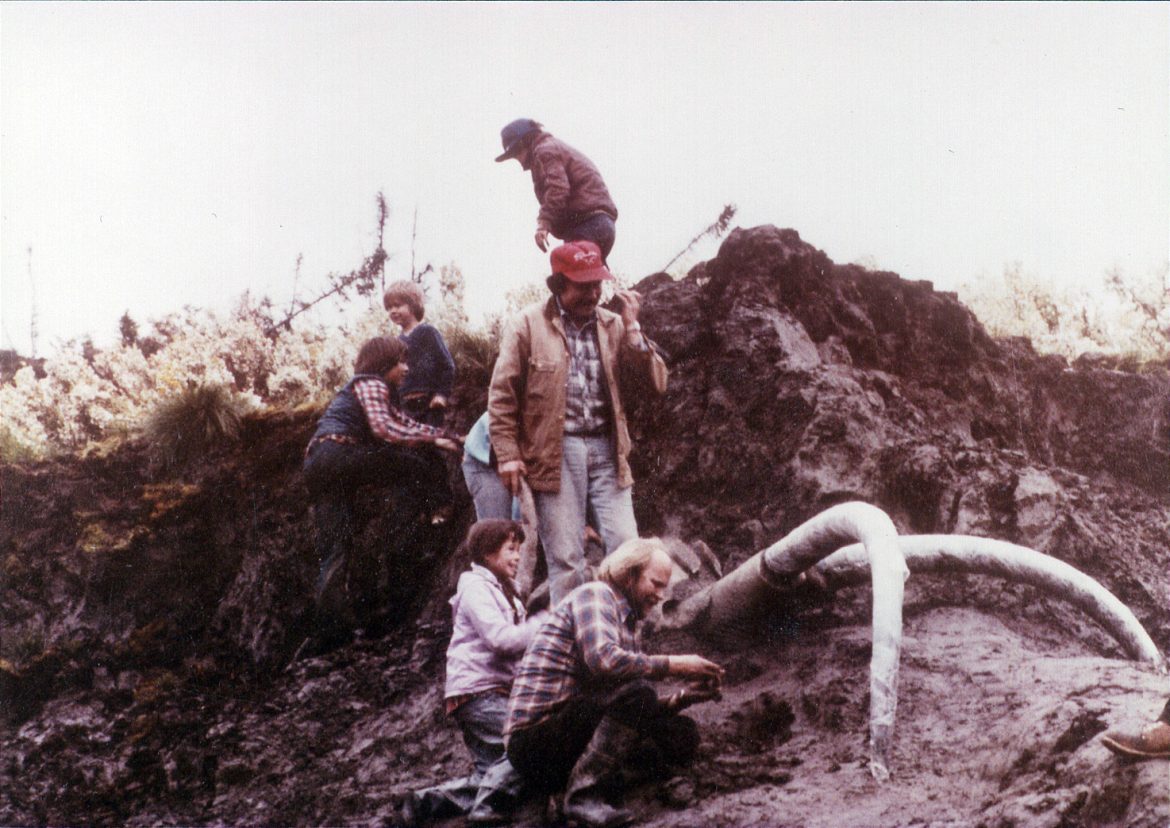
Discovering ancient bones near McGrath. The water level in the Kuskokwim River rises and falls in response to snowmelt and rain. High water plucks trees from the muddy riverbanks, transporting them down the river. Low water strands jumbles of wood on sandbars. These wood piles are welcome to the river communities because the logs are a convenient source of firewood. I was six years old when we set out from McGrath to collect firewood. Francis, my stepdad, drove the boat upriver, so that the collected logs could then be floated downriver. Our strategy was to tie a raft of logs to the bow of the boat and gently motor the raft back to town. While my mom and Francis were sawing wood for the raft, I played games with my older brother Burke—setting up sticks for target practice with rocks or a BB gun. Burke recalls that one of the…

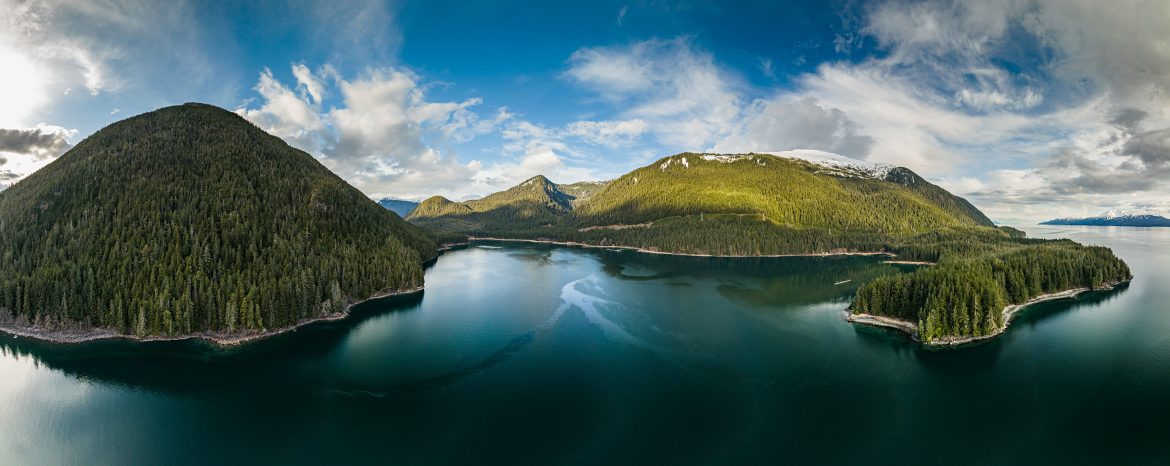
Taku Harbor’s Legendary Man and Myth I stepped into the low light of a derelict cabin and studied moldering walls, broken glass, and filth. My three-year-old son clung to me, scanning the shadows. “Daddy, there could be ghosts! We need to get out of here!” he said. The cabin once belonged to Henry “Tiger” Olson—a hermit, philosopher, and mystic who lived most of his life in Taku Harbor, 20-some miles south of Juneau. By the time we got there, it had been more than 40 years since he had occupied the cabin. To be honest, the place creeped me out a little as well. It wasn’t just Tiger’s cabin that felt haunted, though—Taku Harbor is filled with ruins and stories. The harbor is part of the Tlingit T’aaku Kwáan’s territory. The Hudson’s Bay Company established their Fort Durham Trading Post there in 1840, only to abandon it three years later.…