Tag

alaska

Browsing

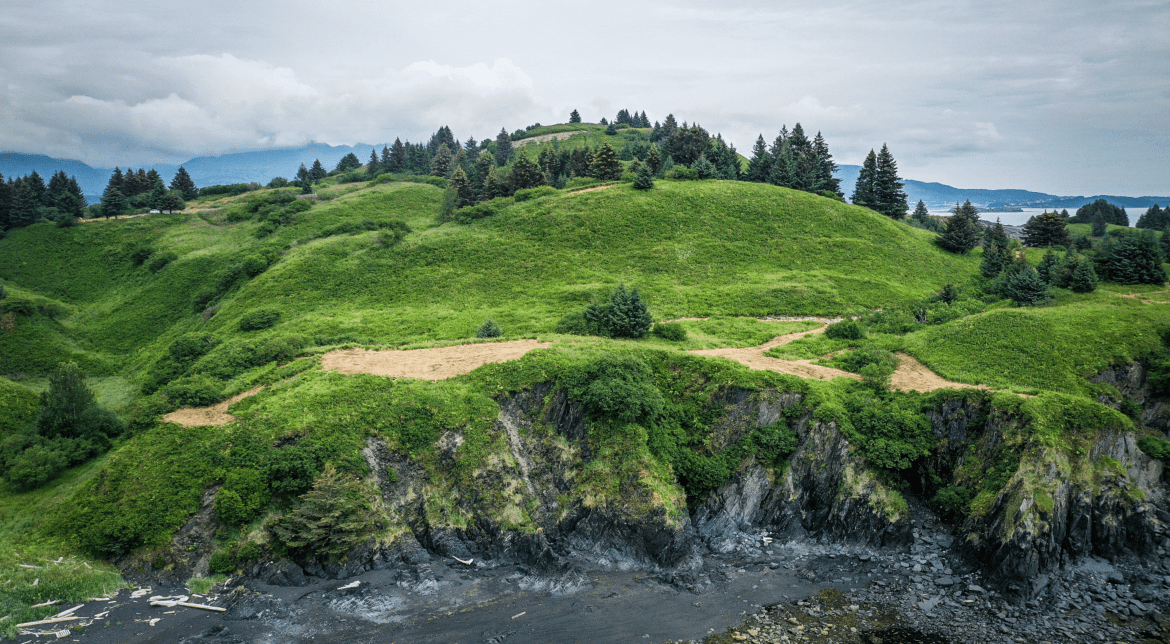
The saga continues For those of you who missed an earlier column about the land my family purchased in Kodiak, the quick synopsis is this: We bought a couple of gorgeous acres in the only gated community in all of Alaska with an HOA that won’t allow us to camp on it or put a trailer on it (except temporarily or while building). It’s been two years, and so far, the only improvements we’ve made to the parcel are the wrought iron table and chairs I hauled out onto a knoll overlooking Middle Bay, where I sat enjoying a PB&J and dreaming about what it would be like to live there. My spouse has been a-okay with the fact that we’ve not spent any more money on the project, since interest rates are high, and it was my idea in the first place. As it is, I only get out…
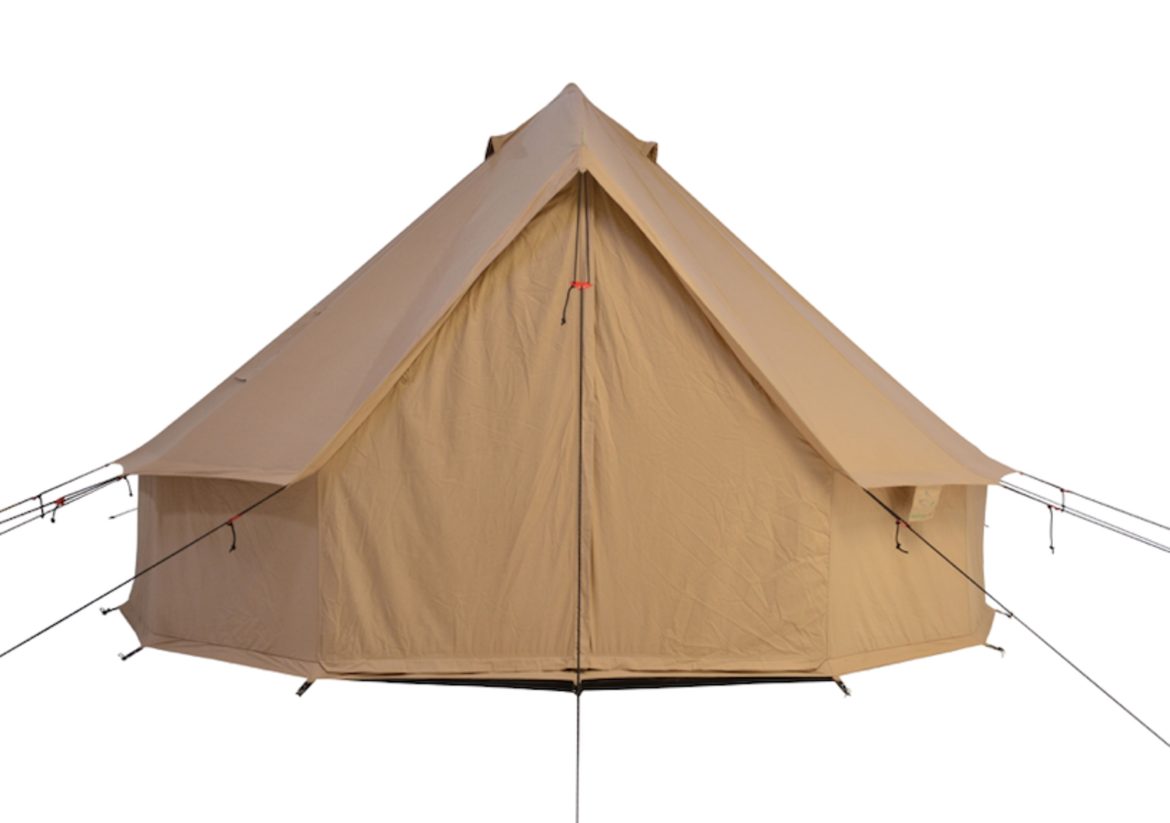
Gear Review I got the Regatta Bell Tent intending to use it for glamping on an island near Juneau. My plan was to set it up in the spring on a piece of property my family owns, so my kids and other family members would have a nice shelter for the summer. It was late in the warm season when I got the tent and, since work had me out of town, I wasn’t able to make good on that dream. Instead, just as the late summer rains and winds were coming to southeast Alaska, I pitched it in my backyard. It was quick, easy, one-man set up. My four-year-old promptly moved in and insisted that we sleep in it for the next three weeks. During the day, he, his younger brother, and their cousins spent hours playing in it. White Duck uses a tent fabric they call DYNADUCK. The…

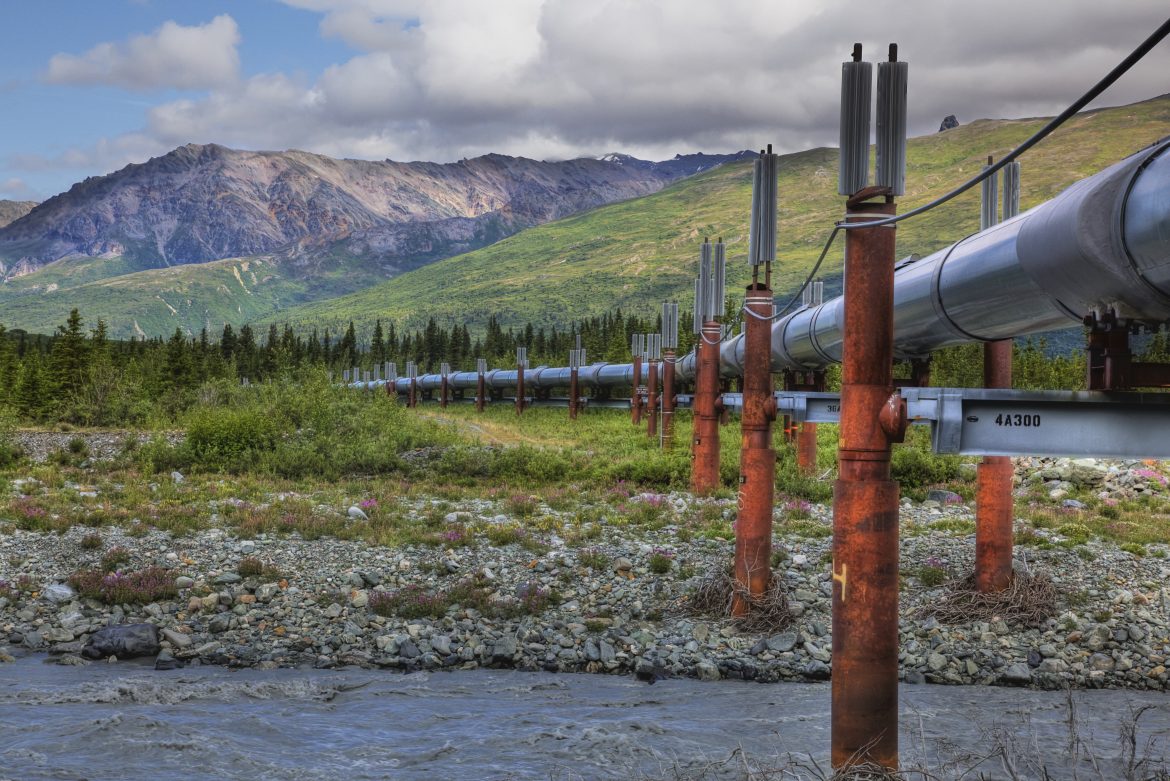
Alaska’s complex relationship with fossil fuels by Larry Persily Oil and gas production —and the good-paying jobs that come with it—have helped fuel the Alaskan economy for decades, and likely will for the near future. The far future is less certain. The industry’s tax and royalty revenues to the state treasury have allowed Alaskans to enjoy life without a personal income tax or a state sales tax—plus, they receive an annual dividend from investment earnings of the state’s 46-year-old oil-wealth savings account. But there are a lot fewer of those jobs. And there is a lot less oil flowing through the trans-Alaska oil pipeline, putting a strain on the state budget. Still, the industry is an essential part of Alaska’s economy. Pay is still good, but fewer jobs Oil and gas jobs are among the highest paying in Alaska. State Department of Labor statistics put the average oil company wage…

Spoiler alert: it doesn’t include everything My family’s history in Alaska goes back to just before statehood, when my parents, who hadn’t yet met, each moved here for work and adventure. To me, those origins—my origins—seem distant, but through other lenses, our time here is a mere blip on the screen of existence. History, this issue’s theme, is messy, multi-layered, and fascinating. And it’s always told from a certain perspective. This region’s past didn’t begin with statehood, of course, nor with overseas explorers, nor with Indigenous cultures. When did it start, then? With the dinosaurs roaming ancient lands? When plate tectonics and volcanism were building Alaska’s mountains?  When we decided on this theme, I thought, “How should we narrow it down? What to include? Leave out?” As happens with each issue, the process is part logical planning and part chance depending on what ideas writers pitch us and what photos…

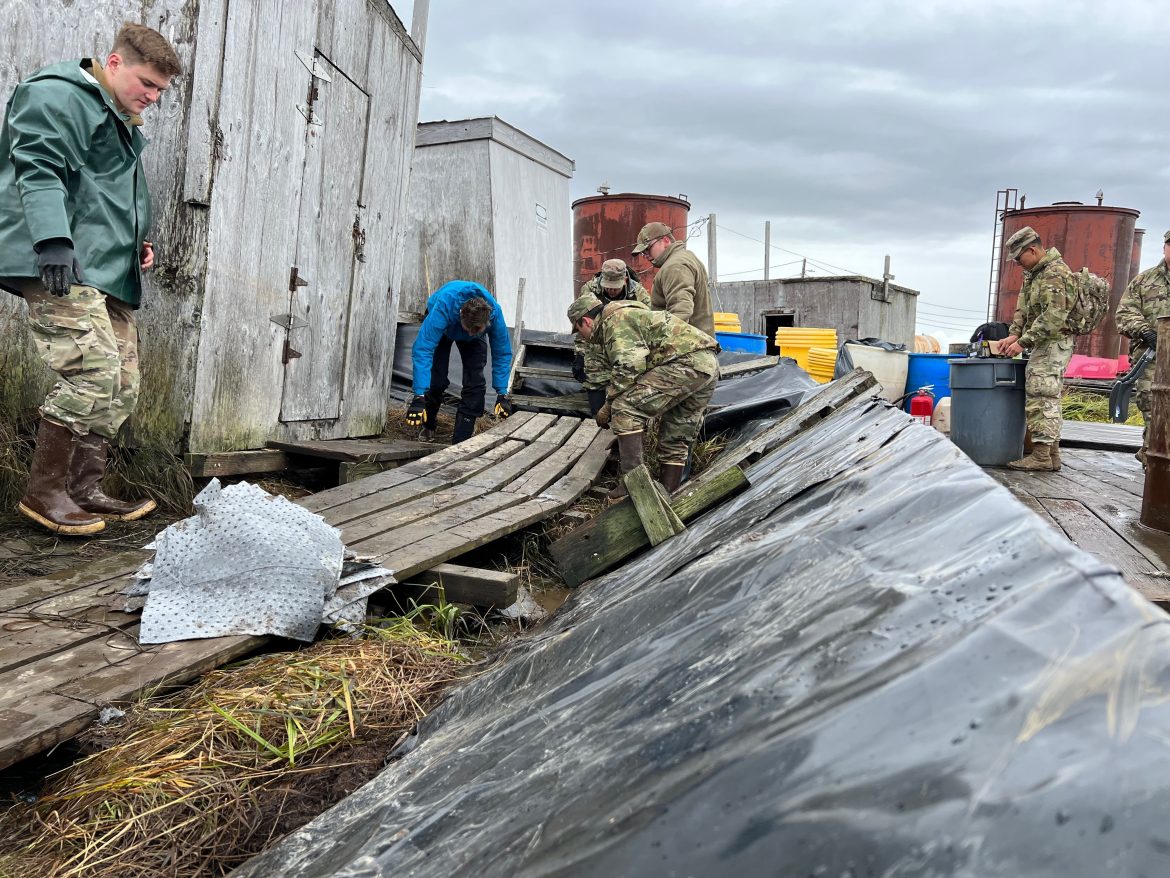
Elements Last September, the remnants of Typhoon Merbok became one of the strongest storms ever known to hit Alaska, bringing 50-foot seas, devastating tidal surges, and hurricane-force gusts to the Bering Sea region. The giant storm impacted over 40 communities along 1,300 miles of mostly low-lying coastline. For many, recovery has been slow. Along Merbok’s path, rural communities lost homes and infrastructure. In the Norton Sound region alone, tidal surges topped a protective storm berm in Shaktoolik and destroyed three miles of road in Golovin. In Nome, winds fanned a fire that destroyed the Bering Sea Saloon. But in rural Alaska, damage to subsistence resources is just as important. Across the region, power outages threatened freezers full of winter food, while flood waters destroyed snowmachines, boats, and other equipment essential for hunting and fishing. Smokehouses, remote cabins, and fish camps—some that have been passed down through generations—were also damaged or…

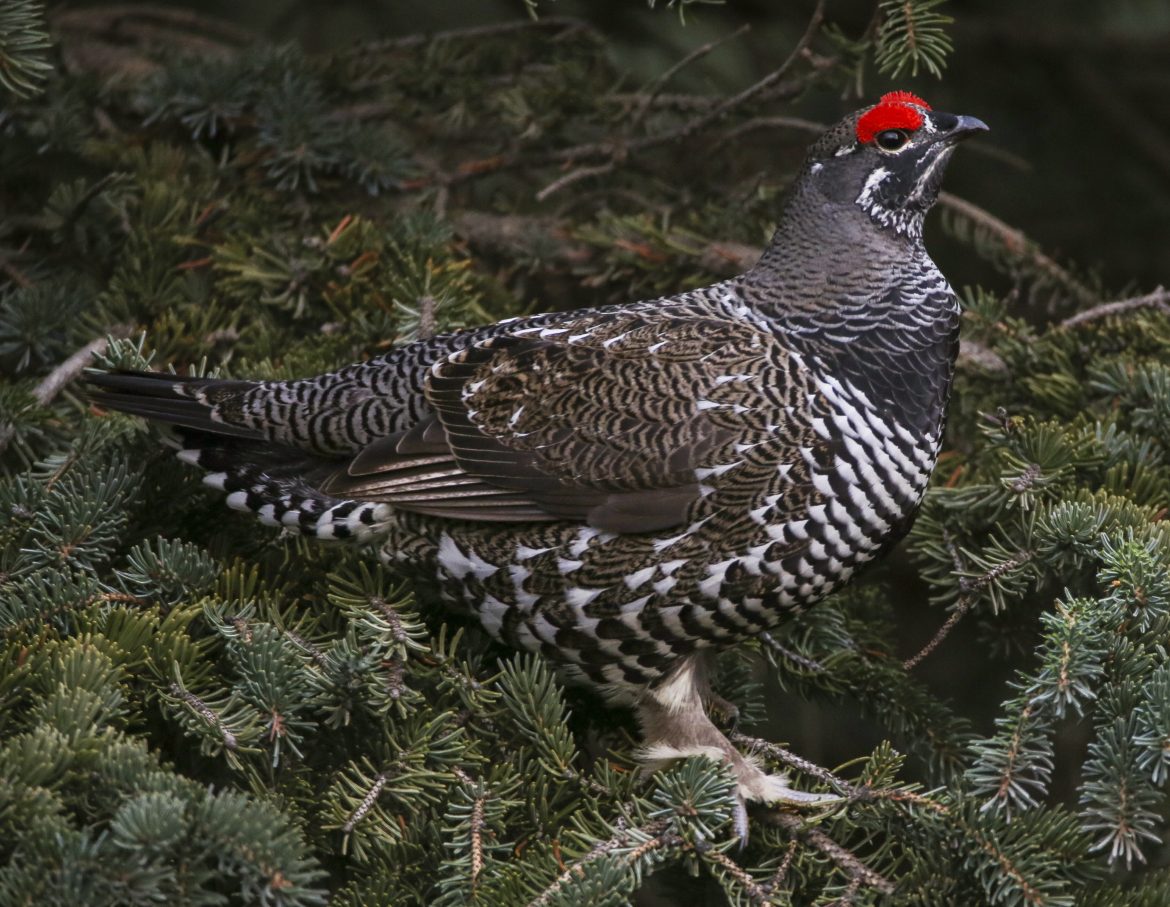
Alaska’s true king of the uplands by Joe Jackson This is a tale of two spruce grouse, and it begins in mid-September.  The dawn is stingingly cold and the leaves flutter groundward to remind me that another year has passed. I try to ignore the impending winter and focus on the task at hand: a side-by-side shotgun in my grip, a pocket full of shells, a flurry of daydreams filled with hard-flushing grouse. That’s when I came upon the first bird of our story. He was a doddering male spruce grouse propped stoically in the middle of the trail, his tail fan spread proud as a turkey. I approached carefully. Given the circumstances—him sitting there all innocent, me refusing to shoot grouse on the ground—I decided to let this one go, but not before seeing how close he’d let me get. Each step brought me closer. Finally, as I nearly…

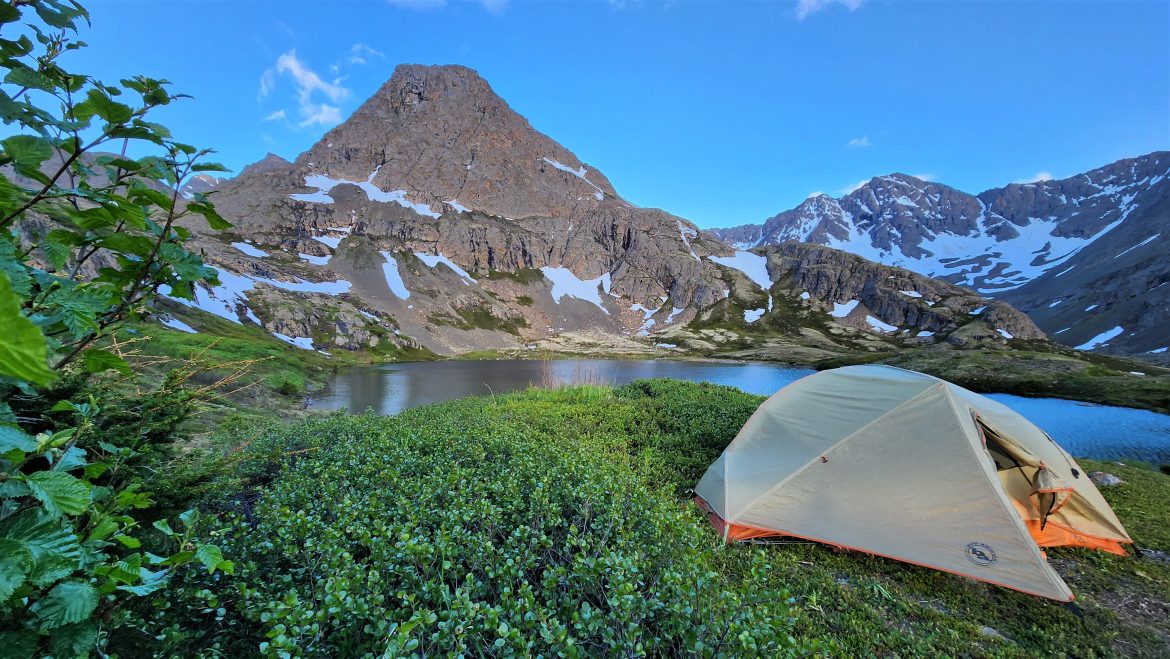
Appreciating Alaska’s parks and other public lands I live in Alaska because I was born and raised here, and it will always feel like home. But I stay in Alaska because it’s the only place on the planet with so much dramatic and varied wilderness. Alaska’s national and state parks alone total nearly 60 million acres. Some of that is right out my back door. Getting away from it all to play on public lands is as easy as hopping in my car and driving 30 minutes to a trailhead. Add a bit longer drive plus an air charter or water taxi, and I could be dropped off in the middle of nowhere to enjoy only my own company for days or weeks on end.  Once out there, though, I wouldn’t really be alone, as so many wild creatures roam the land and water: grizzlies in Denali National Park and…

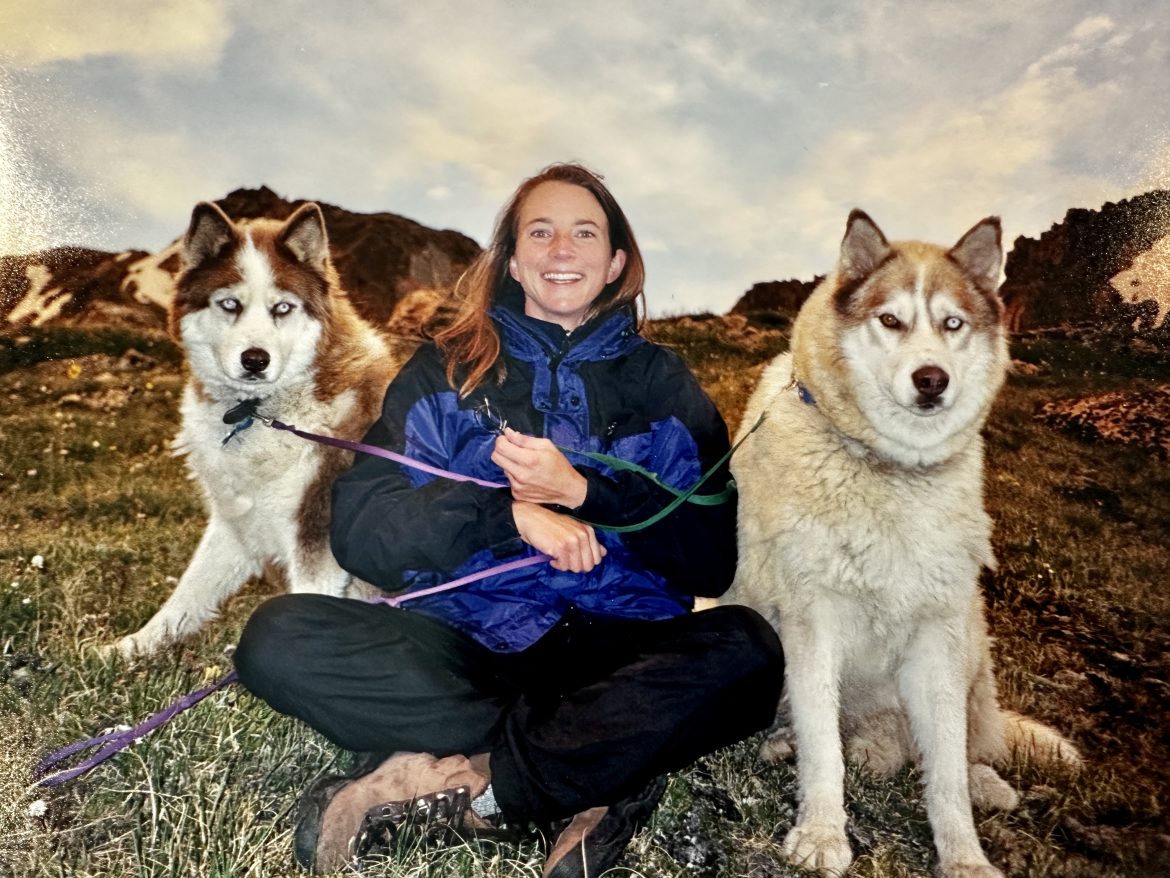
The evolution of an outdoor girl I thought I was a wild girl once. Not the boobies on the bar after Jell-O shots kind of wild, but a girl in her 20s who chose to live in the mountains alone, after growing up in three of the largest cities in the United States—sort of Where the Crawdads Sing meets Into the Wild, without the leeches or abandoned bus. Almost three decades ago, I packed up my new Nissan Pathfinder and two Texas-born huskies and drove 1,000 miles west from San Antonio to Boulder, Colorado, aching to find a place to call home. The Pathfinder, like me, looked ready for adventure, but with its rear-wheel drive suspension and Texas plates, it was an unprepared poser that was more apt to end up spinning on ice than summiting any peaks. It made all the sense in the world to seek refuge and…

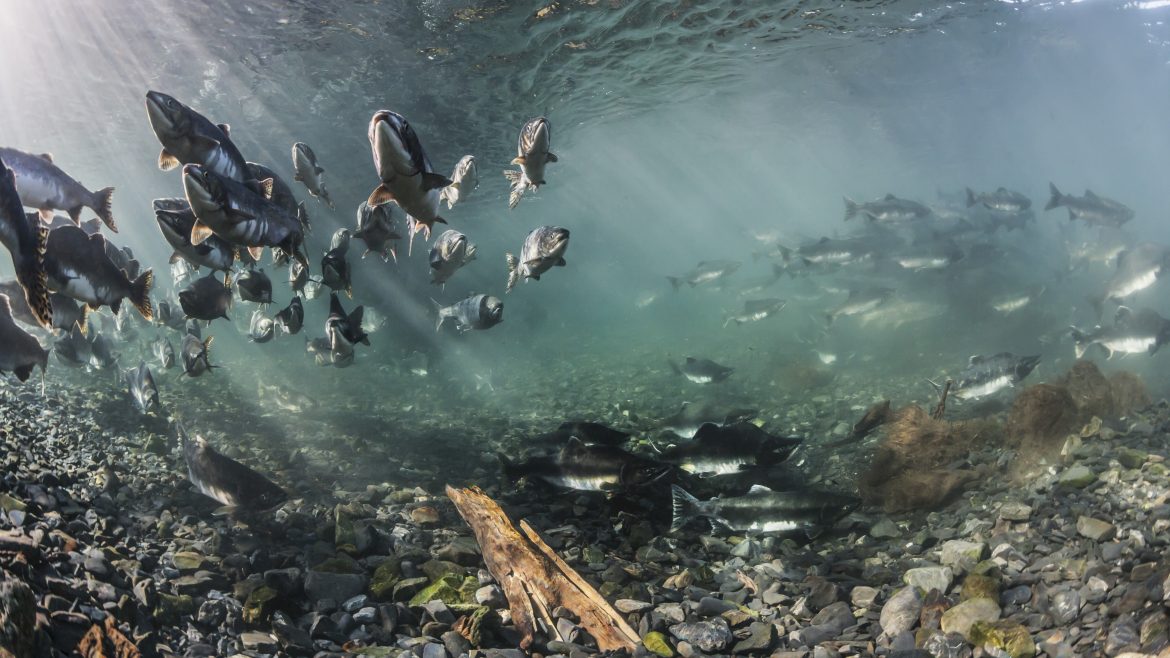
Alaska’s Other Gold A decade ago in late July, my wife, MC, was picking salmonberries at the edge of the forest on Admiralty Island when she startled a brown bear. I spoke to the bear gently as MC backed away. As we left, we walked past the end of the berry patch, where we had stashed our kayak, to the edge of a meadow where the sea met a stream. Pink salmon leapt continuously into the air. Hundreds, maybe thousands, were schooled up at the mouth of the stream. That evening, we went to retrieve our kayak. Next to its hull lay a bright, silver-colored pink salmon with one large bite taken out of it. Nearly all the salmon we’d watched jumping had begun to mottle with their spawning colors. I knelt over the salmon, pondering why the bear had dropped it there until I sensed the bear was bedded…

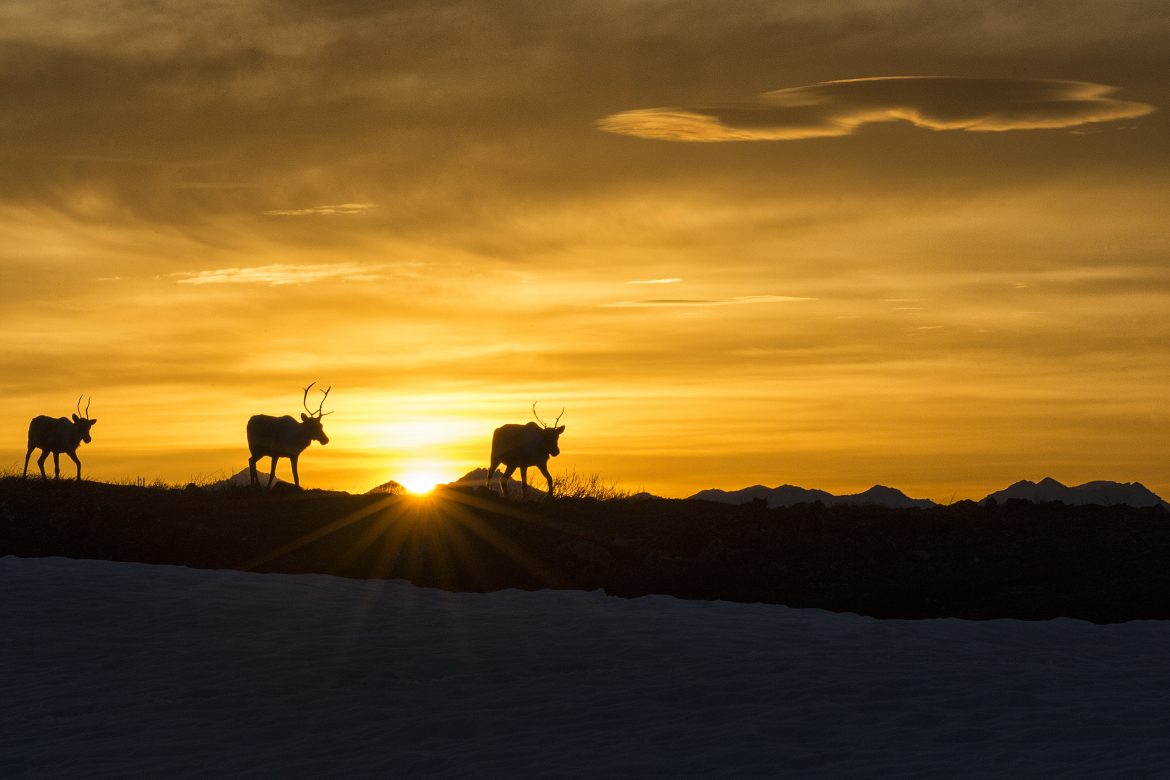
In Search of the Porcupine Caribou Herd Text by Doris Hausleitner Images by Peter Mather We peer out at the Yukon River from the dusty roads of Dawson City. “The smoke is definitely worse,” Jonathon concludes. “I see less of the other shore today than I did yesterday.” It is the end of June, and wildfire season has come early to the Yukon and Alaska. Aggressive fires burning north of Fairbanks have already changed our original plan—to fly into the Kongakut River in Alaska and hike to the Firth River in the Yukon with the hopes of intercepting the migrating Porcupine caribou herd. Now the fires burning between Dawson City and Old Crow and problems changing our landing permit into Ivvavik National Park are threatening to thwart our plans completely. Our team is a diverse group. I’m a wildlife biologist and instructor at a local college in southeastern British Columbia.…